
Skin and Nail Concerns Treatment
Expert care for fungal infections, ingrown toenails, warts, corns, calluses, and other skin and nail conditions.

What You Need To Know
Common foot skin and nail issues, how they develop, and when to see a podiatrist.
Common Skin and Nail Conditions
Skin and nail concerns can affect comfort, walking, and daily activities. Common problems include athlete’s foot, toenail fungus, ingrown toenails, corns, calluses, plantar warts, and other skin infections or rashes. Because feet spend hours in shoes and socks, they are often warm and moist, which makes it easier for fungi, bacteria, and viruses to thrive.
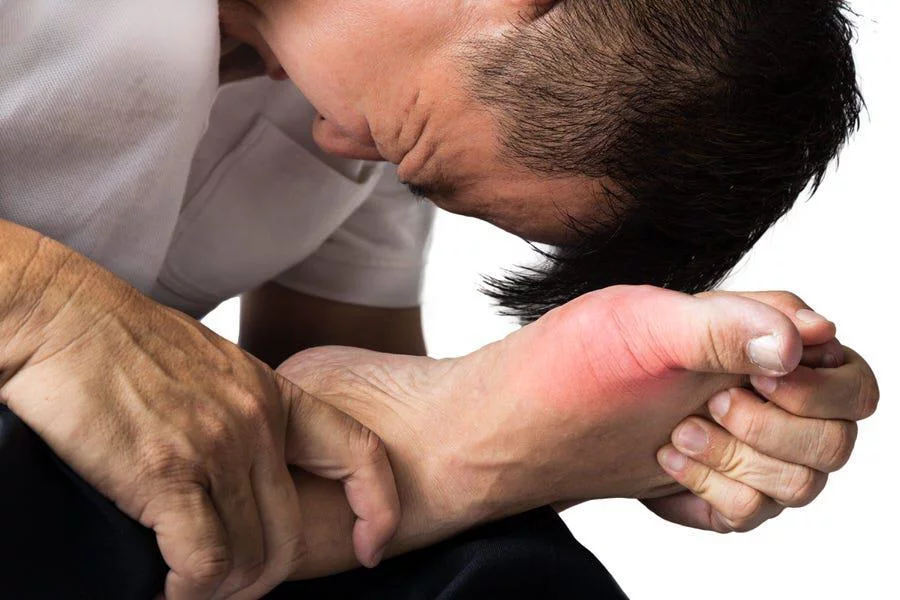
Symptoms depend on the condition. Athlete’s foot may cause itching, burning, stinging, redness, scaling, or peeling skin, often between the toes. Toenail fungus can lead to discoloration, thickening, brittleness, crumbling, debris under the nail, or an unpleasant odor. Ingrown toenails often cause pain, redness, swelling, warmth, and sometimes drainage if infection develops.
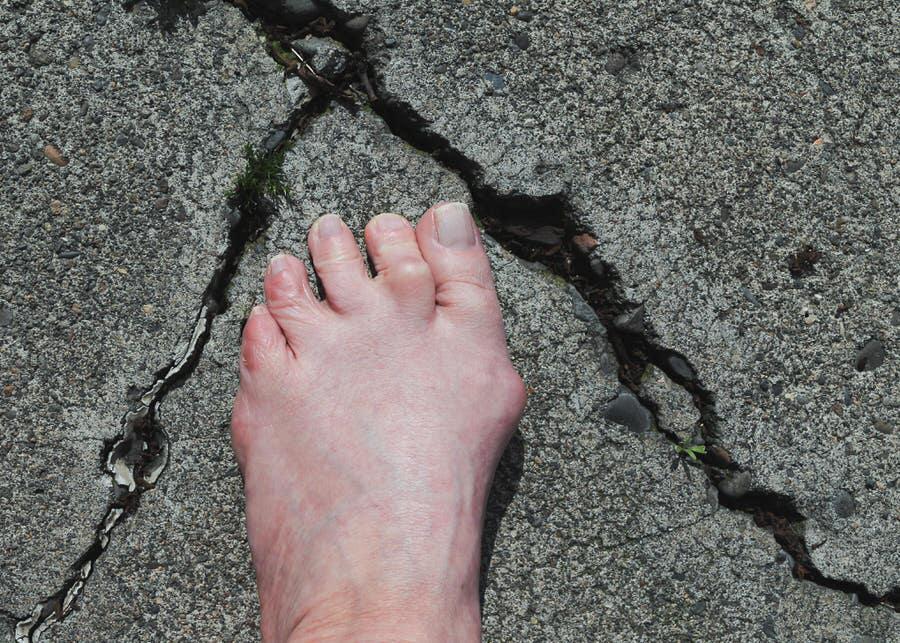
Corns and calluses appear as thickened areas of skin caused by repeated pressure or friction, often from tight shoes, hammertoes, bunions, flatfeet, or an abnormal gait. Plantar warts may look like calluses but can be painful with walking and may show tiny black dots. Rashes and skin infections may also cause inflammation, open sores, discoloration, pus, or rough, scaly skin.
Some minor problems improve with simple care, but persistent symptoms, spreading rash, worsening pain, or signs of infection should not be ignored. People with diabetes, poor circulation, nerve damage, or immune system concerns should seek prompt evaluation, since foot skin and nail issues can become more serious without proper treatment.
Treatment Options and Prevention
Treatment depends on the specific condition and its severity. Mild athlete’s foot may respond to over-the-counter antifungal creams or powders, while persistent or recurrent infections may need prescription-strength creams or oral medication. For toenail fungus, care may include antifungal liquid soaps, topical medication, oral medication, or nail debridement to remove infected nail and diseased tissue. In severe cases, the entire infected nail may need to be removed.
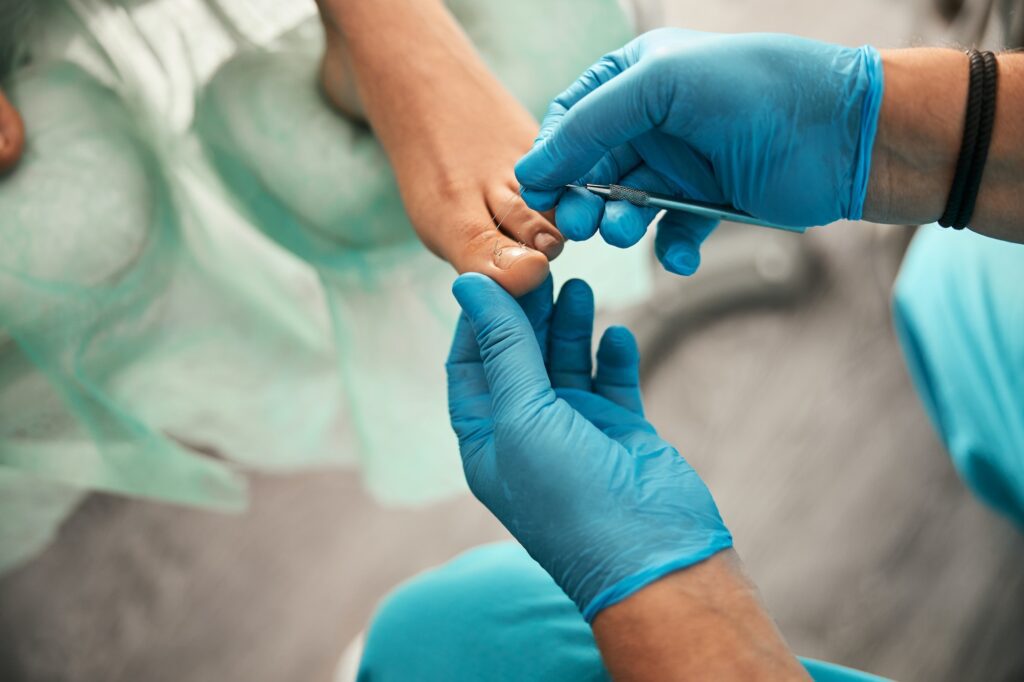
Ingrown toenails sometimes improve with warm water and Epsom salt soaks when there is no infection and no high risk medical condition. If symptoms continue or infection is present, treatment may include medication, a splint to guide nail growth, or a minor in-office procedure to remove part of the nail border. Some recurring cases require partial or complete removal of the nail or nail root.
Painful corns and calluses are often treated with conservative care such as trimming excess skin, changing footwear, or using shoe inserts to reduce pressure and friction. It is important not to attempt bathroom surgery or use medicated corn pads without guidance, especially if you have diabetes or circulation problems. Plantar warts may be treated with topical medication, acid treatment, cryotherapy, laser therapy, or surgery, and stubborn growths may need biopsy if they do not respond.
Good prevention habits also matter. Keep feet clean and dry, inspect skin and nails regularly, trim nails straight across, wear dry socks and breathable shoes, and use shower sandals in public wet areas. A podiatrist can examine the problem, identify the cause, and recommend the most appropriate plan for relief and recovery.
Related Services
Find Skin and Nail Care Near You
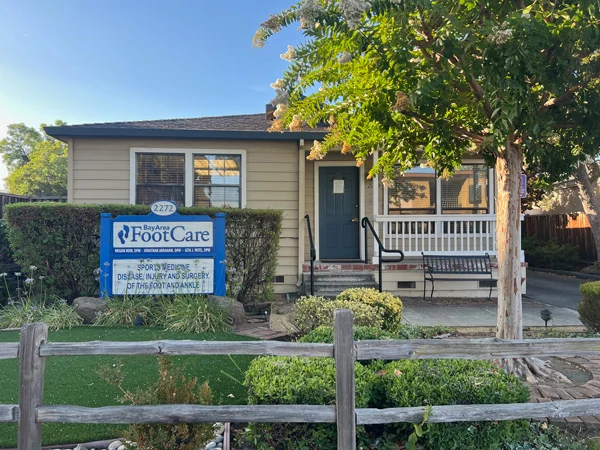
Visit Bay Area Foot Care for evaluation and treatment of common skin and nail concerns.


















Don’t let foot skin or nail problems slow you down any longer.
Book an appointment today and we’ll help you get back to comfortable feet.