
Diabetic Foot Care You Can Rely On
Comprehensive foot assessments, wound care, and neuropathy treatment to help patients with diabetes stay healthy.

What You Need To Know
Understanding why diabetes affects your feet and how proper care protects you.
Understanding Diabetic Foot Care
People with diabetes need to take special care with their feet, since they are especially susceptible to foot problems. Diabetes is a chronic disease that causes blood sugar levels to stay at consistently unhealthy levels, which can affect the lower extremities over time.
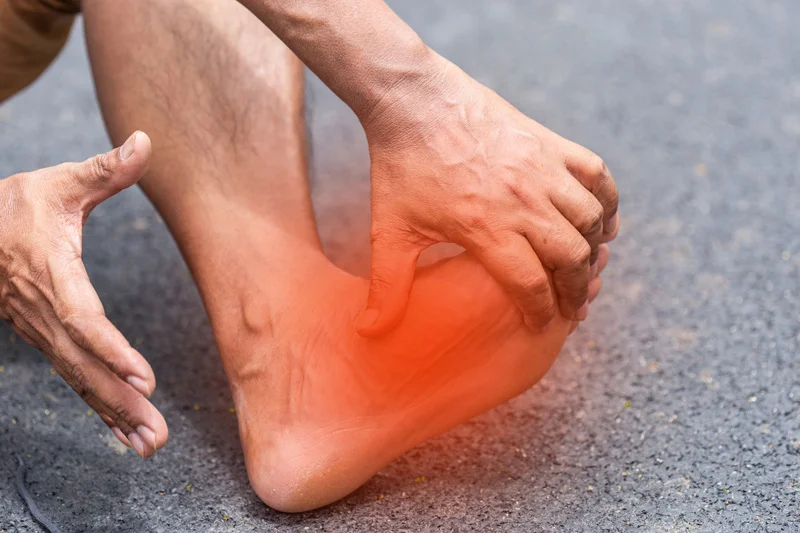
Two common complications, neuropathy and poor circulation, are major reasons foot problems develop. Neuropathy is nerve damage that can cause tingling, numbness, and balance problems. It can also take away your ability to feel pain and discomfort, so you may not notice an injury or irritation. Poor circulation reduces your ability to heal, making it harder for even a small cut to resist infection.
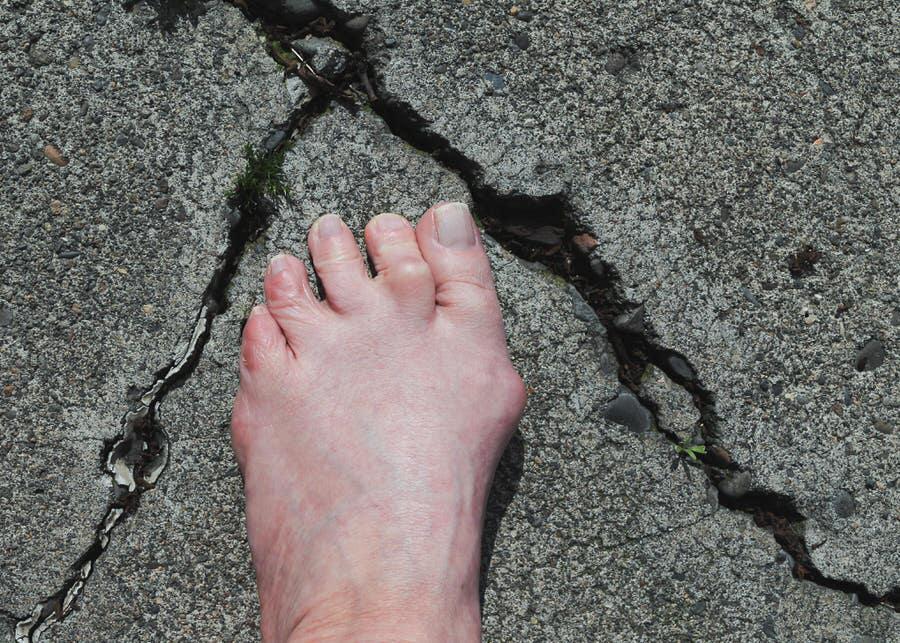
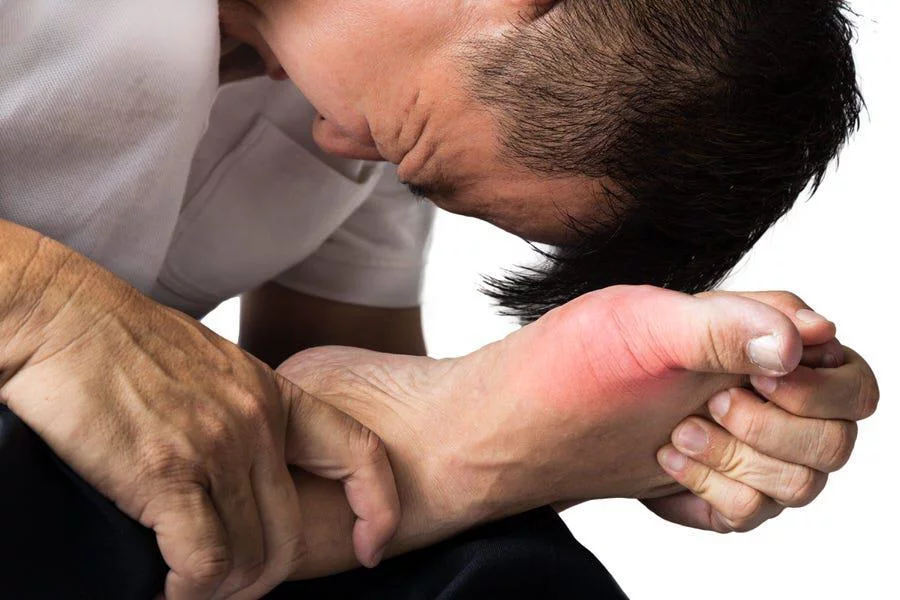
If you have diabetes, you are more likely to develop slow-healing wounds, diabetic ulcers, peripheral neuropathy, and calluses. Corns, dry cracked skin, nail disorders, bunions, hammertoes, and Charcot foot can also become serious concerns. With diabetes, even small foot problems can worsen quickly.
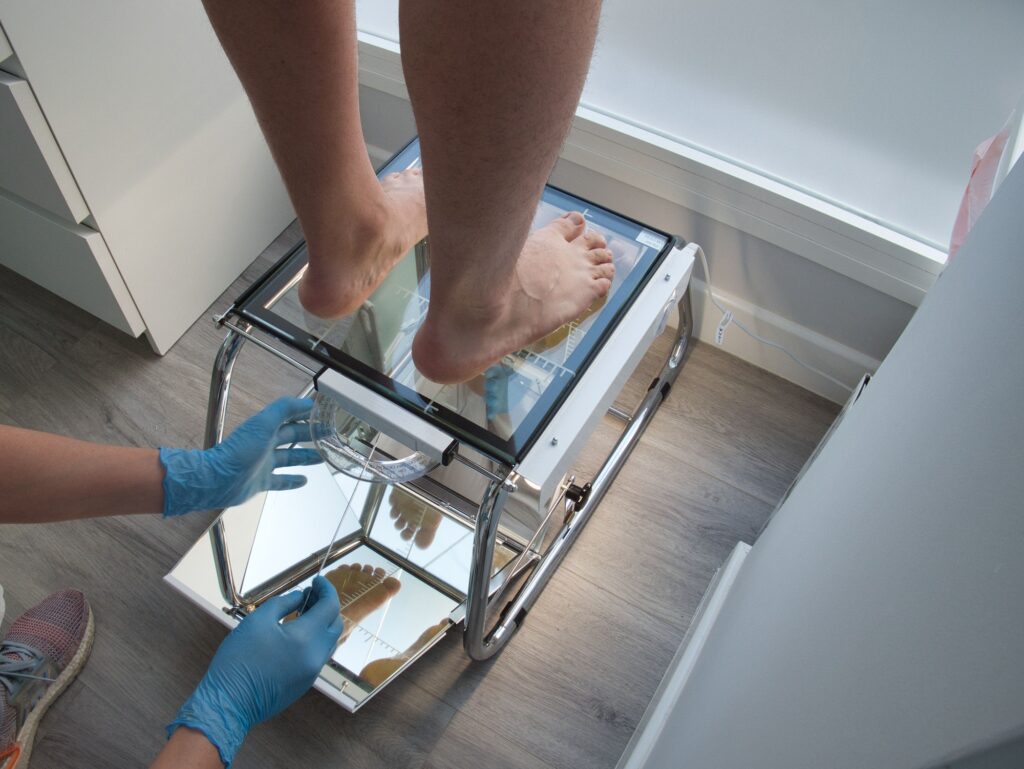
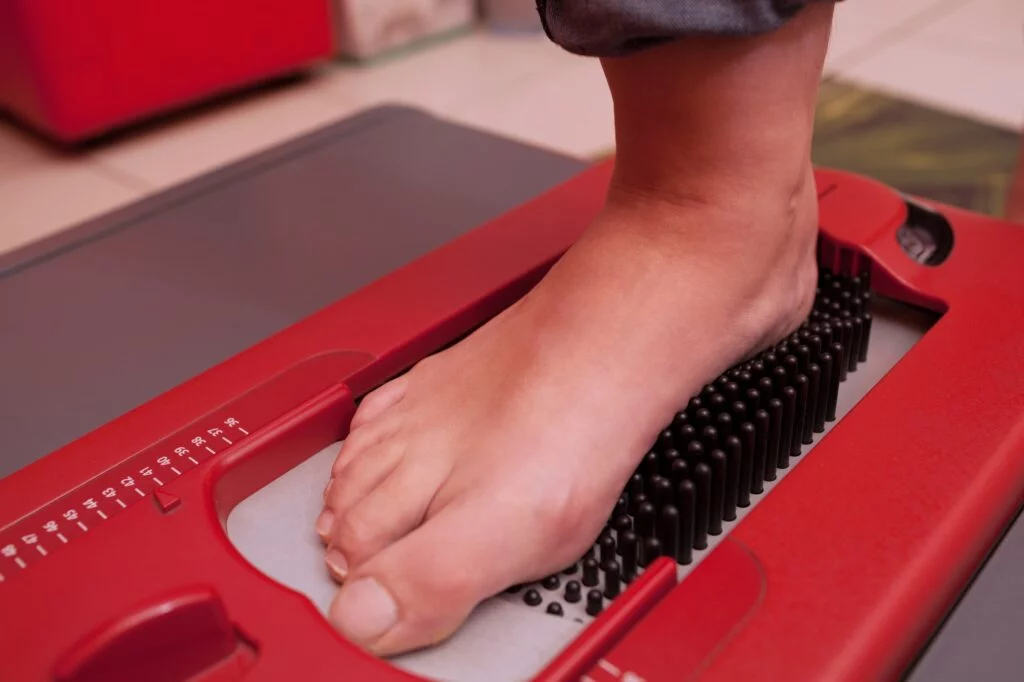
If you are newly diagnosed with diabetes, have numbness, or are dealing with an ulcer that has been hard to heal, Bay Area Foot Care can provide a comprehensive foot assessment to help determine your risk and guide your next steps.
Daily Care and Prevention at Home
Daily foot care can help you catch problems before they become serious. Check your feet every day for swelling, redness, temperature change, cuts, blisters, corns, calluses, drainage, or cracks in the skin. If your eyesight is poor, have someone help you inspect them.
Never go barefoot, indoors or outdoors. Sensation loss can prevent you from realizing you stepped on something sharp. Wear properly fitting shoes to avoid rubbing and blisters, and shake out your shoes before putting them on. Keep socks clean and dry, and make sure they are not bunched up.
Wash your feet with warm water and mild soap, then dry them thoroughly, especially between the toes. Avoid hot water. Apply lotion to help with dryness, but not between the toes. Keep toenails trimmed, and do not attempt bathroom surgery on corns or calluses or use over-the-counter medicated pads.
Healthy habits also matter. Maintaining a healthy diet, exercising, and keeping blood glucose in check can help lower your risk of complications. If you notice leg pain, signs of infection, a wound that is not healing, or any change in the shape, color, or temperature of your foot, schedule an evaluation with Bay Area Foot Care as soon as possible.
Related Services
Diabetic Foot Care Near You
Find diabetic foot care and ongoing support at Bay Area Foot Care locations.

























Don’t wait to get the diabetic foot care you deserve
We’re here to help you protect your feet and stay healthy. Schedule today.