
Foot Surgery: Advanced Procedures
When conservative care isn’t enough, reconstructive foot surgery can relieve pain and restore function to your feet.

What You Need To Know
Understanding when foot surgery is recommended and what it can do for you.
Reconstructive Foot Surgery Explained
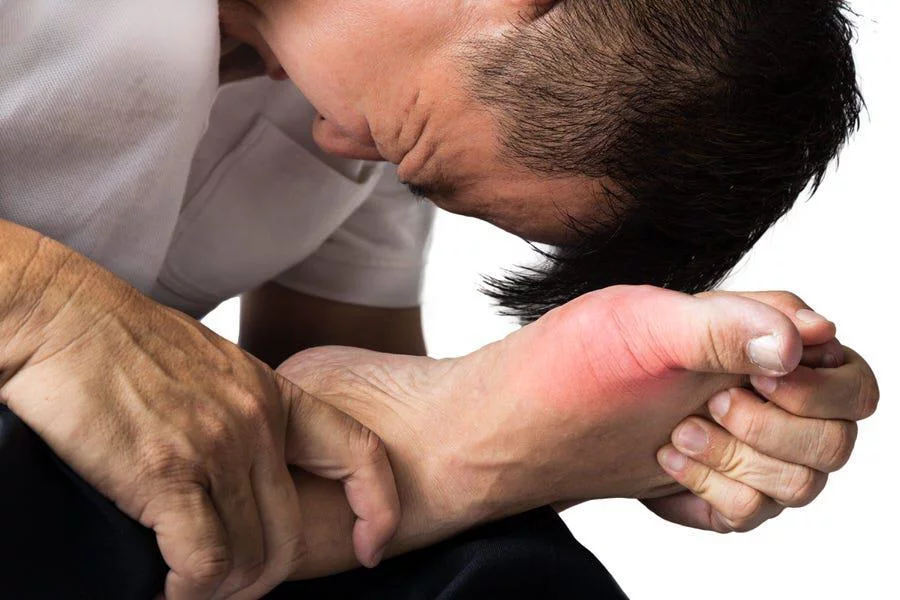
Our feet carry the entire weight of our body, day in and day out. In time, this is bound to cause foot problems. These problems usually go away with medication and physiotherapy. But sometimes, foot conditions may not respond to conservative treatment. In such cases, reconstructive surgery may be needed to alleviate pain and restore the function of your foot.
Reconstructive surgery is done for the foot and ankle to regain function or stability, reduce pain, and prevent further deformity. Foot diseases and severe foot conditions can make it difficult to live a full life. They often require long-term care and rehabilitation. Foot reconstruction surgery like tissue reconstruction, function restoration, and cosmetic rehabilitation can help improve quality of life.
Surgery can help treat problems related to foot and ankle pain, deformities, fractures, and loss of function. Our physicians treat conditions including Achilles tendonitis, bunions, traumatic injuries, ganglion cysts, hammertoes, and plantar fasciitis, among others. If problems persist, your physician may recommend surgery as the most effective option.
The podiatrist will assess the damage and severity of your condition before deciding whether foot reconstruction surgery can help. If you are living with persistent foot or ankle pain, we encourage you to schedule a consultation with Bay Area Foot Care to discuss your options.
Common Procedures and Surgical Options
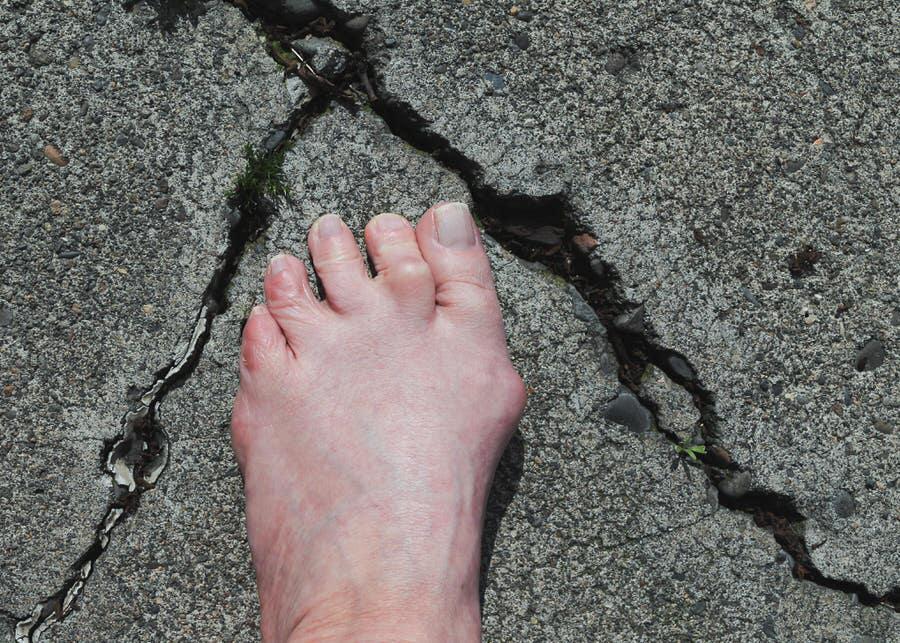
Bunion surgery is done when there is severe foot pain while walking or if you have chronic big toe inflammation that isn’t relieved with rest or medicines. Hammer toe surgery may be needed if the deformity is very severe, and the toe is fixed and immobile, causing pain. It may involve removing a portion of one of the bones in the toe or fusing the joints in the toe.
Heel spur surgery can offer pain relief and restore mobility, and may include plantar fascia release, with or without heel spur excision. Tendon repair surgery treats a torn or damaged tendon, easing pain and increasing range of motion. Nail surgery, through partial removal (avulsion) or total removal (matricectomy), may be needed for deformed, damaged, or infected toenails.
Other procedures include bone fusion, which holds the bone in place and eases pain when cartilage has worn away; joint implantation, where damaged bone and cartilage are replaced with metal components; bone grafting, which uses transplanted bone to repair damaged bones; and osteotomy, which uses screws, staples, pins, wires, or casts to stabilize the bone.
Subchondral stabilization is a minimally invasive procedure used to treat subchondral bones during healing. A bone substitute material is injected to stabilize bones compromised by defects, lesions, or fractures, and is replaced by new bone over time. Patients seeking minimally invasive treatment options are welcome to contact us for a consultation.
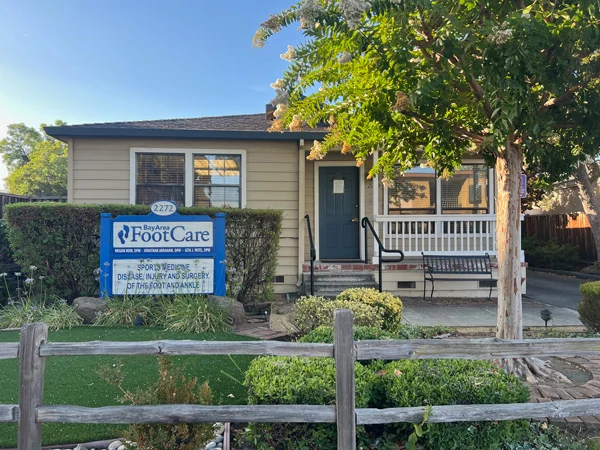
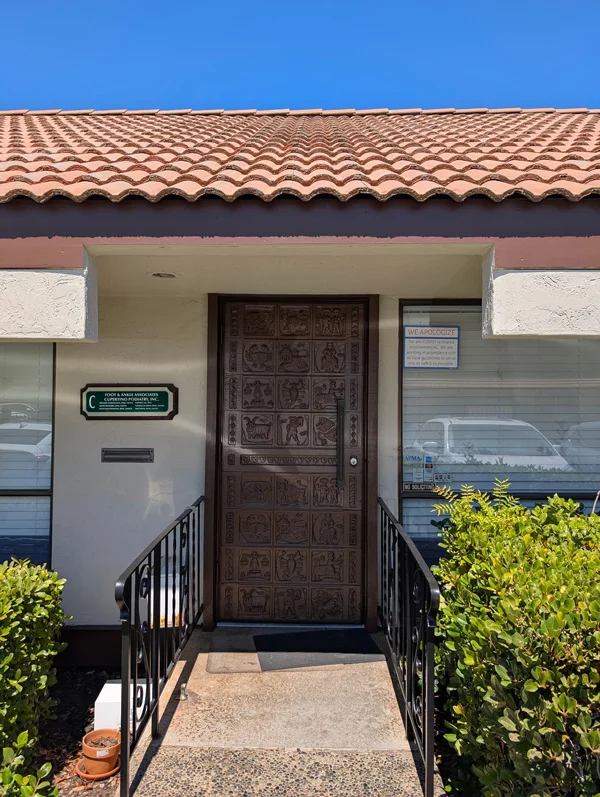
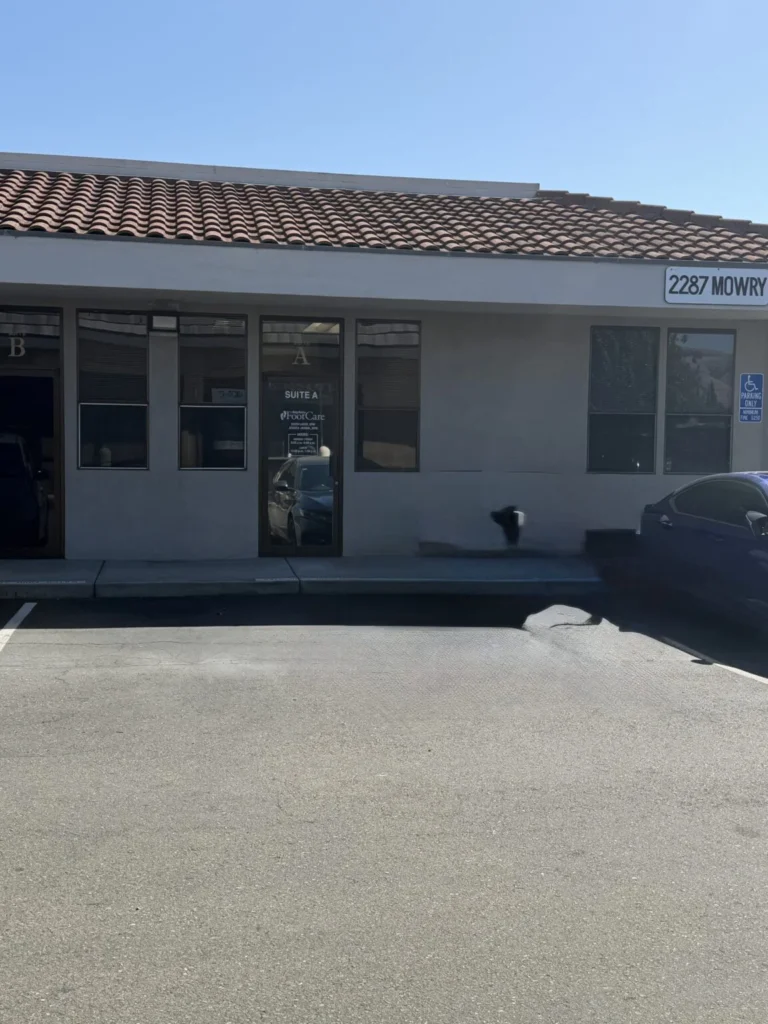
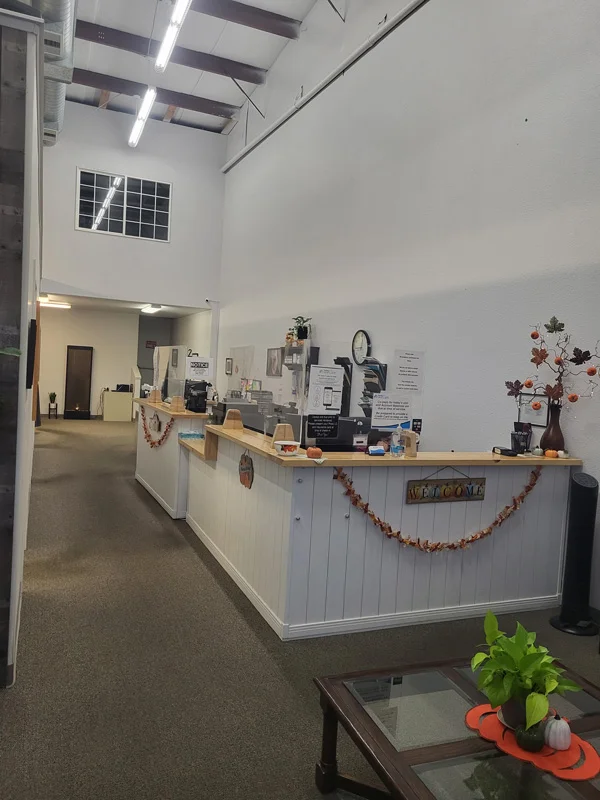
Foot Surgery Locations Near You
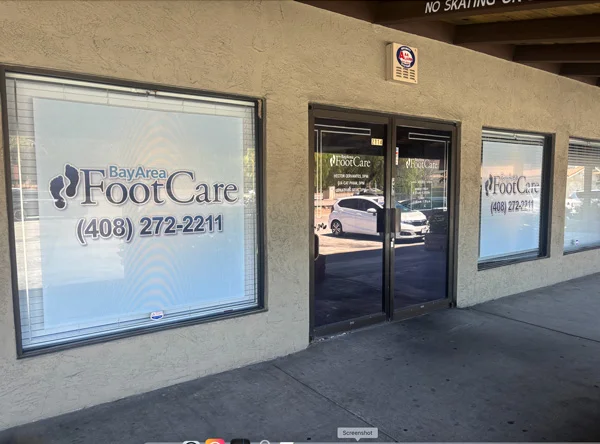
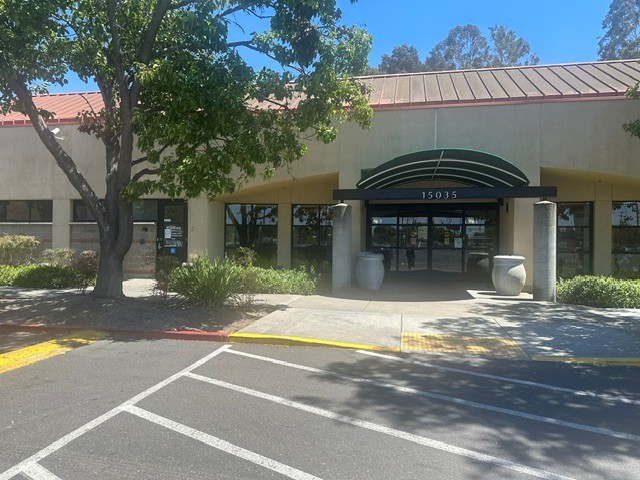
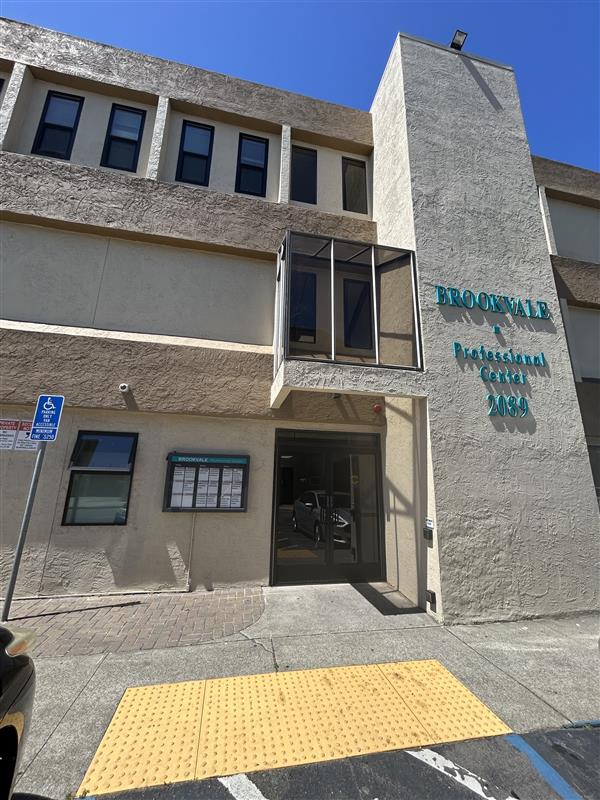
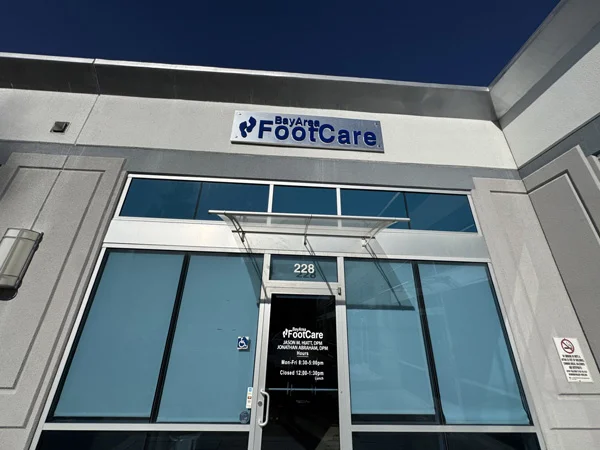
Find a Bay Area Foot Care location offering surgical care close to home.














Ready to get back on your feet? Let’s talk about your options today.
Our team’s here to help you find relief and get moving again.