
Hammertoe Treatments You Can Rely On
Relief for bent, painful toes through individualized care, from conservative options to advanced surgical repair.

What You Need to Know
Understanding hammertoe, its symptoms, and the treatment options available to you.
Understanding Hammertoe and Its Care
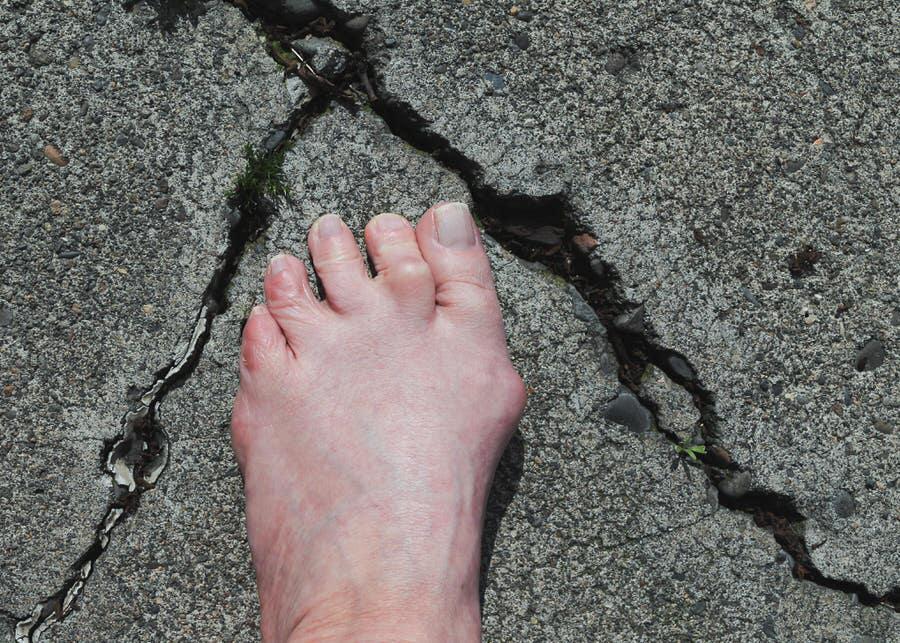
Hammertoe is a bending (contracture) of the first joint in your toe, called the proximal interphalangeal joint. The contracture makes your toe look like an upside-down V. A hammertoe can affect any toe but is most common in the second through fifth toes. Over time, it can become more deformed to the point of causing severe pain with daily activities, and a callus often develops on top of the buckled joint.
There are two types. A flexible hammertoe is less severe and easier to treat, because the joint is still moveable. A rigid hammertoe is more serious and may require surgical treatment, often developing in people with severe arthritis or those who wait too long to seek care. Hammertoes are progressive and never get better without some kind of intervention.
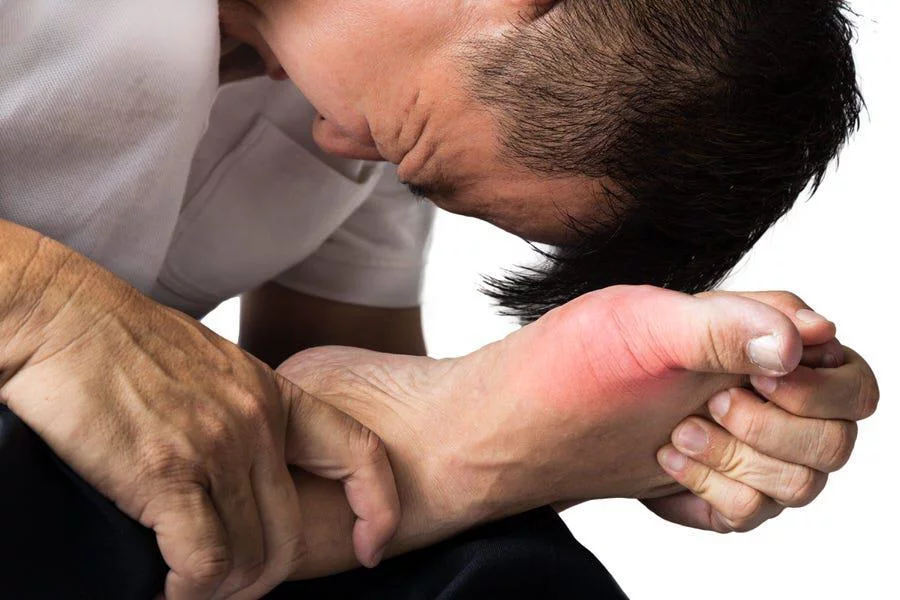
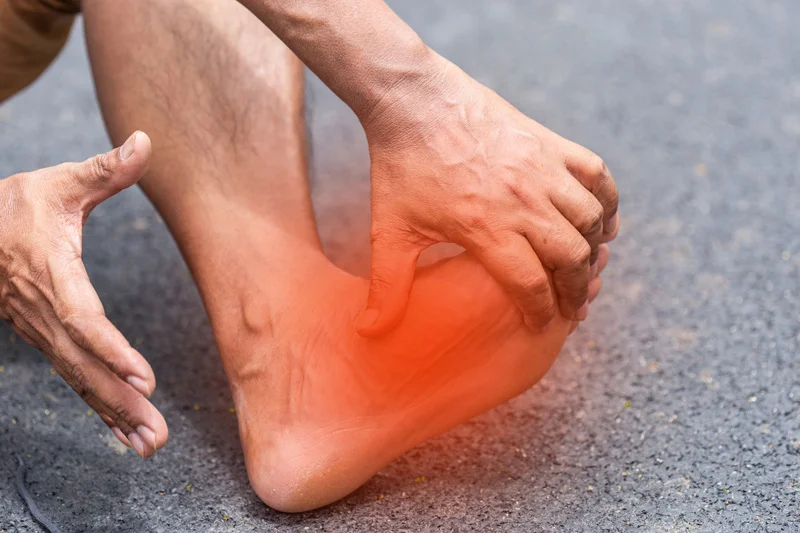
The most noticeable symptom is an abnormal bend in the toe. Other signs include pain when wearing shoes, inflammation, redness, or swelling at the joint, restricted or painful motion, and pain at the ball of the foot below the affected toe. Friction may also lead to corns or calluses between your toes.
The most common cause is a muscle and tendon imbalance from mechanical or neurological changes in the foot. Tight shoes, injuries, arthritis, and bunions can aggravate the condition, and hammertoes are sometimes hereditary. Call us or book online as soon as you notice symptoms so we can evaluate your foot and build a treatment plan suited to your needs.
Treatment Options for Hammertoe
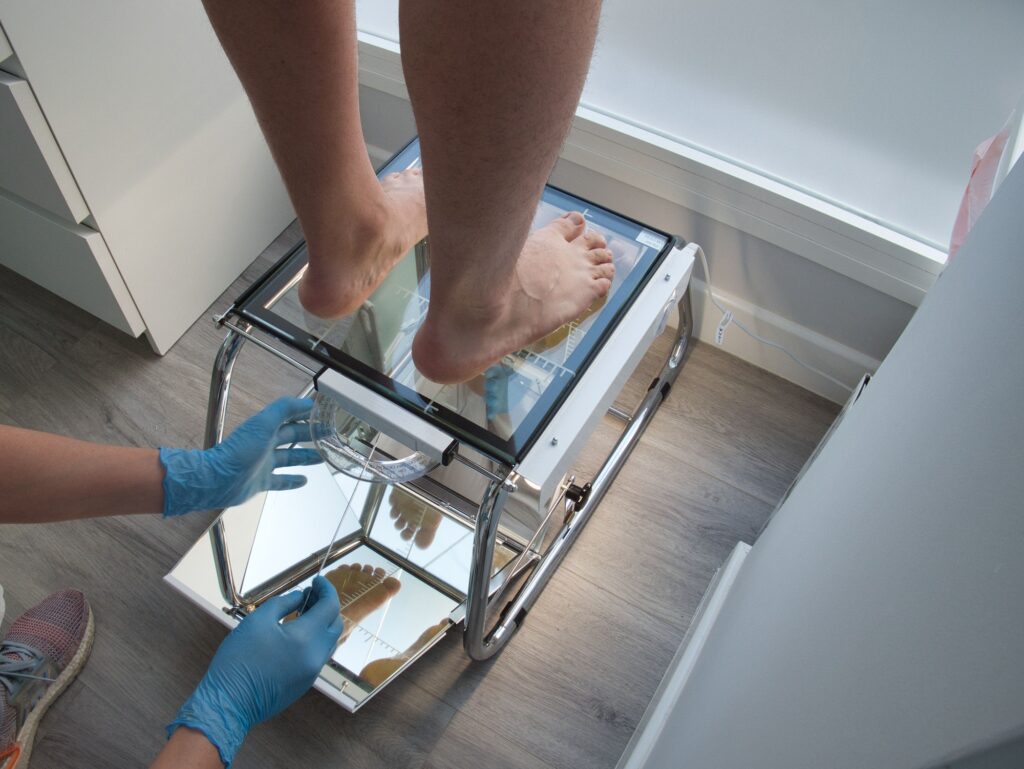
Treatment depends on the severity of your hammertoe and other factors. If your hammertoe is still flexible, conservative measures often help relieve symptoms and slow progression. We start with a thorough exam and may take digital X-rays to evaluate the degree of the deformity and any bone changes that have occurred.
Nonsurgical care may include padding corns and calluses to shield them from irritation, changes in footwear to roomier shoes with a deep toe box and heels no higher than two inches, and custom orthotics to help control the muscle and tendon imbalance. Avoid medicated over-the-counter pads, as they may contain a small amount of acid that can harm the thinner skin on top of the feet.
Additional options include corticosteroid injections to ease pain and inflammation, oral nonsteroidal anti-inflammatory drugs such as ibuprofen, and splinting or strapping to help realign the bent toe. These approaches work best when the toe is still flexible and pain is mild to moderate.
When a hammertoe has become rigid and painful, or when an open sore has developed, surgery may be needed. Patients with hammertoe often have bunions or other foot deformities corrected at the same time. In selecting the procedure or combination of procedures for your particular case, your doctor will consider the extent of your deformity, the number of toes involved, your age, health status, and your activity level. Recovery varies by individual and procedure, and our surgeons will walk you through what to expect at every step.
Where to Find Hammertoe Care
Bay Area Foot Care offers convenient locations to help you find treatment close to home.





















Don’t wait for hammertoe pain to get worse, let’s get you walking comfortably again.
Our team’s ready to evaluate your toes and build a plan that fits you.