
Achilles Tendonitis Care That Works
Relief from heel cord pain, stiffness, and swelling with conservative care designed to get you moving again.

What You Need To Know
Understanding Achilles tendonitis, its symptoms, and how we approach treatment.
Treating Achilles Tendonitis
Achilles tendonitis is a common wear-and-tear injury that affects your Achilles tendon, the tough band of tissue connecting the muscles at the bottom of your calf to your heel bone. It affects patients of all ages, but it’s particularly common in middle-aged people who play sports occasionally and runners who increase the intensity of their workouts.
The most common symptom is a mild ache at the back of your heel following physical activity. You might also experience worse pain after an intense workout that involves long-distance running or stair climbing. Pain, stiffness, or irritation in the morning or after extended periods of rest is also common, and it usually subsides after light exercise such as walking or stretching.
Achilles tendonitis is usually caused by a sudden increase or repetitive activity involving the tendon. This puts too much stress on the tendon too quickly, leading to micro-injury of the tendon fibers. People with excessively pronated or flattened feet also tend to develop the condition due to the greater demands placed on the tendon when walking.
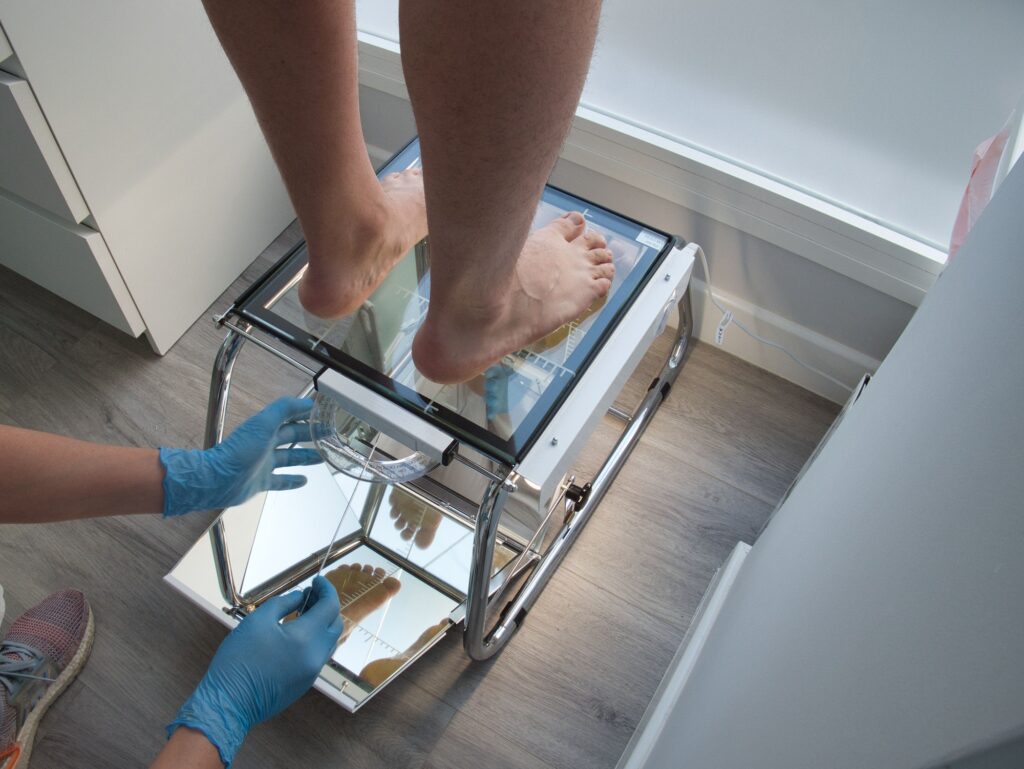
Bay Area Foot Care diagnoses Achilles tendonitis with a review of your medical history, a discussion of your symptoms, and a physical examination of your foot and ankle. Your doctor might also recommend X-rays or an ultrasound to get a better look at your bones, tendons, and underlying structures. If pain is interfering with daily activity, schedule an evaluation to start the right treatment plan.
Treatment Options and Prevention
Whenever possible, Bay Area Foot Care uses conservative methods to provide relief from Achilles tendonitis. Depending on your symptoms, you may need physical therapy, shoe gear modifications, custom orthotics, or activity modifications and anti-inflammatory measures.
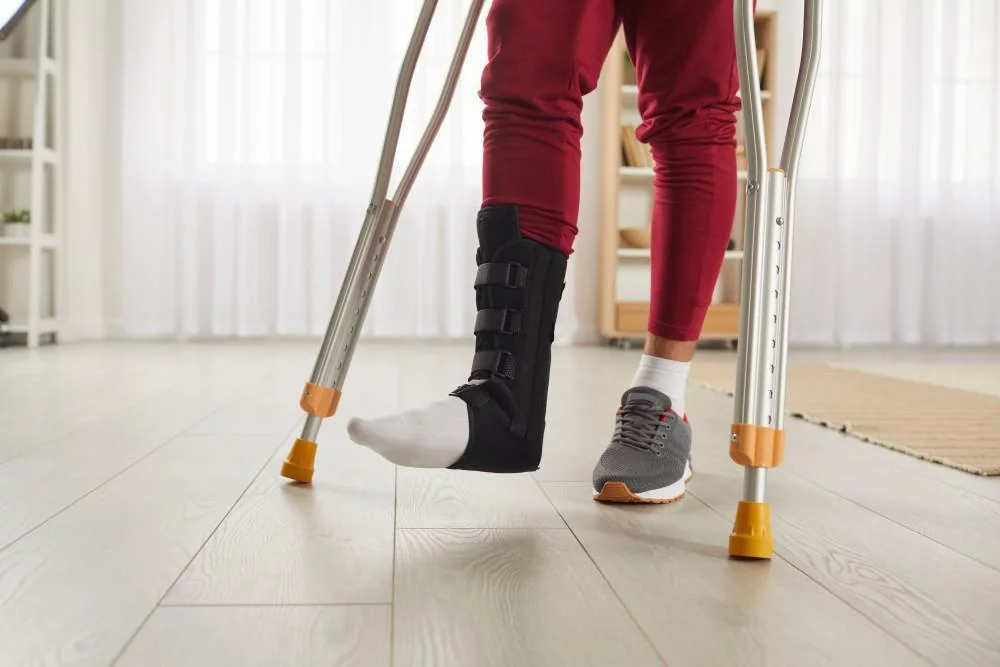
In the early stage, when there is sudden inflammation, options may include immobilization with a removable walking boot to reduce forces through the tendon, icing the area for 20 minutes at a time using a thin towel as a barrier, and nonsteroidal anti-inflammatory drugs such as ibuprofen to reduce pain. Night splints help maintain a gentle stretch in the tendon during sleep, and custom orthotics may be prescribed for those with overpronation or gait abnormalities.
Bay Area Foot Care also offers the Multiwave Locked System (MLS) Therapy Laser, which uses various light wavelengths to relieve inflammation and promote cellular production and growth. If your pain persists after conservative care, surgical intervention may be necessary. As a general rule, unless there is a rupture present, we tend to avoid surgery of the Achilles tendon.
To prevent recurrence, your doctor may recommend strengthening and stretching exercises that strengthen the tendon to withstand higher loads and improve flexibility of the tendon, calf, and hamstring muscles. Wearing proper shoes for your foot type and activity is also important, and most patients return to their usual activities once treatment is complete.
Find Achilles Tendonitis Care Near You
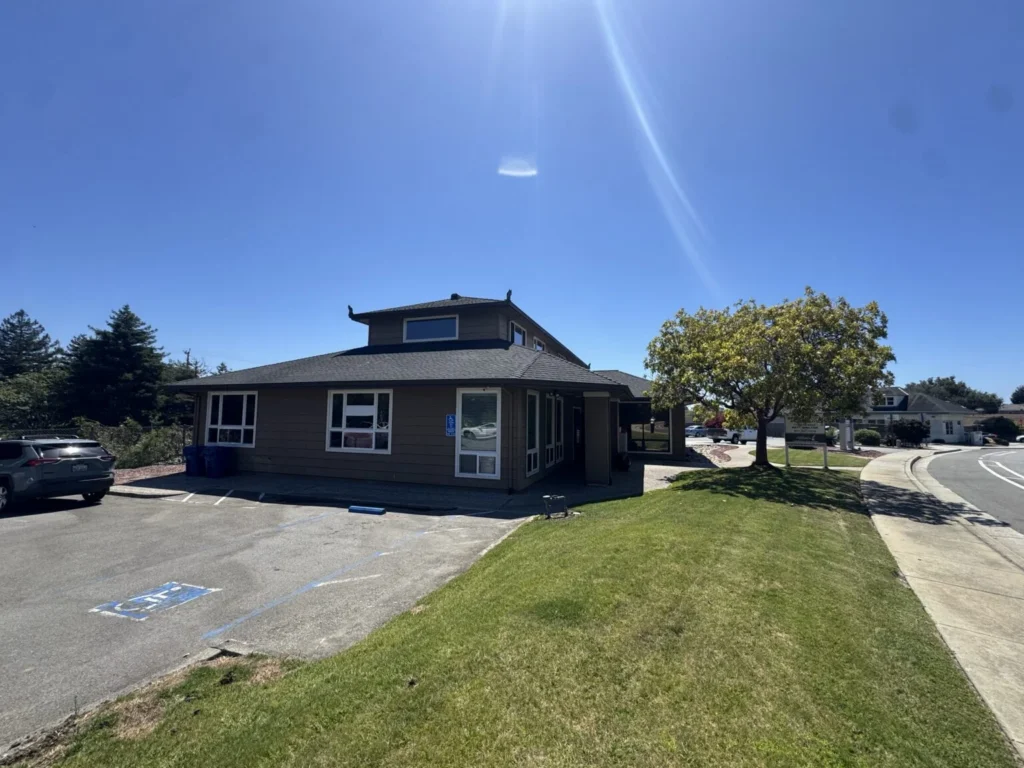
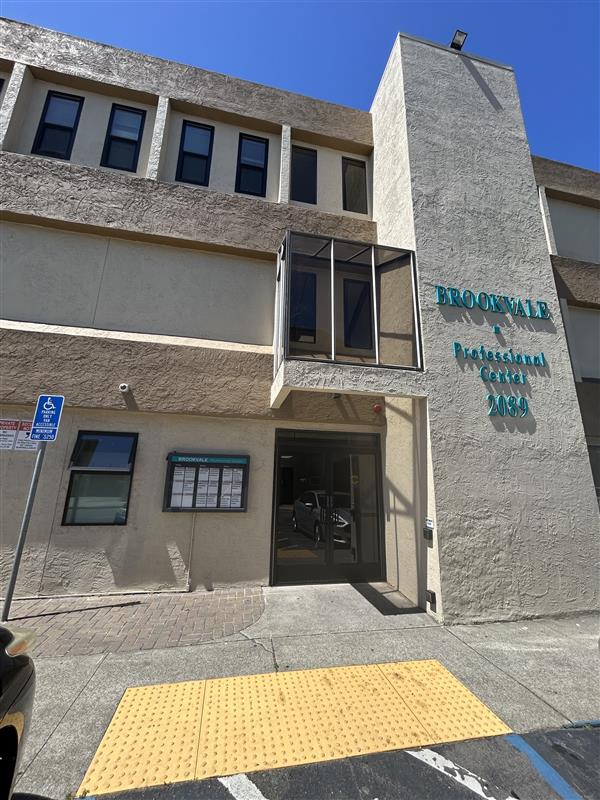
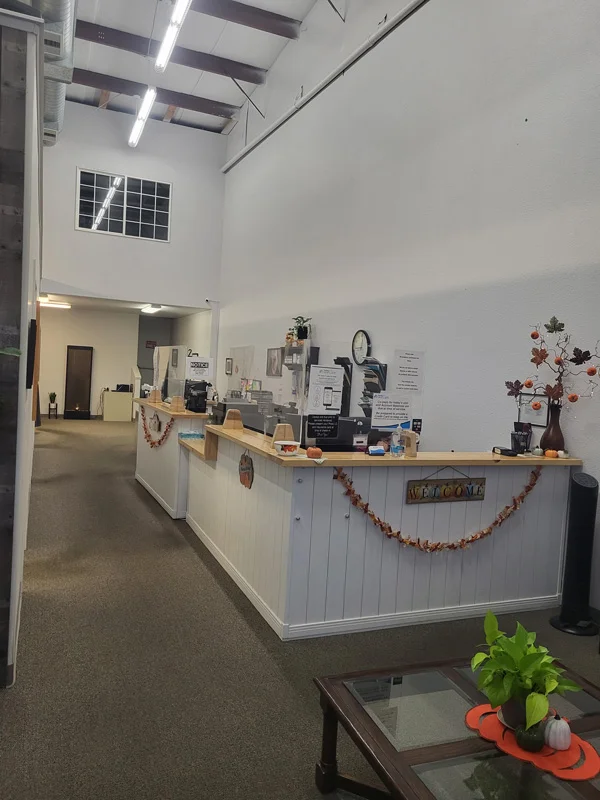
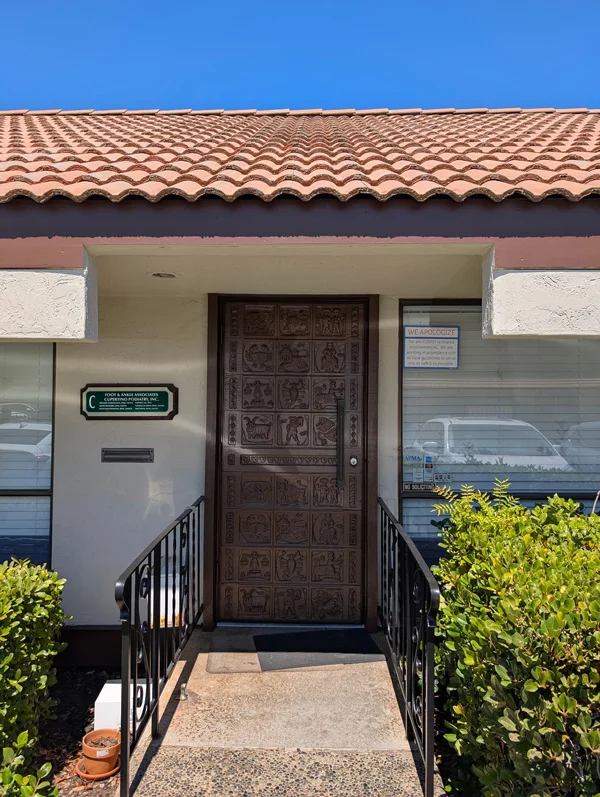
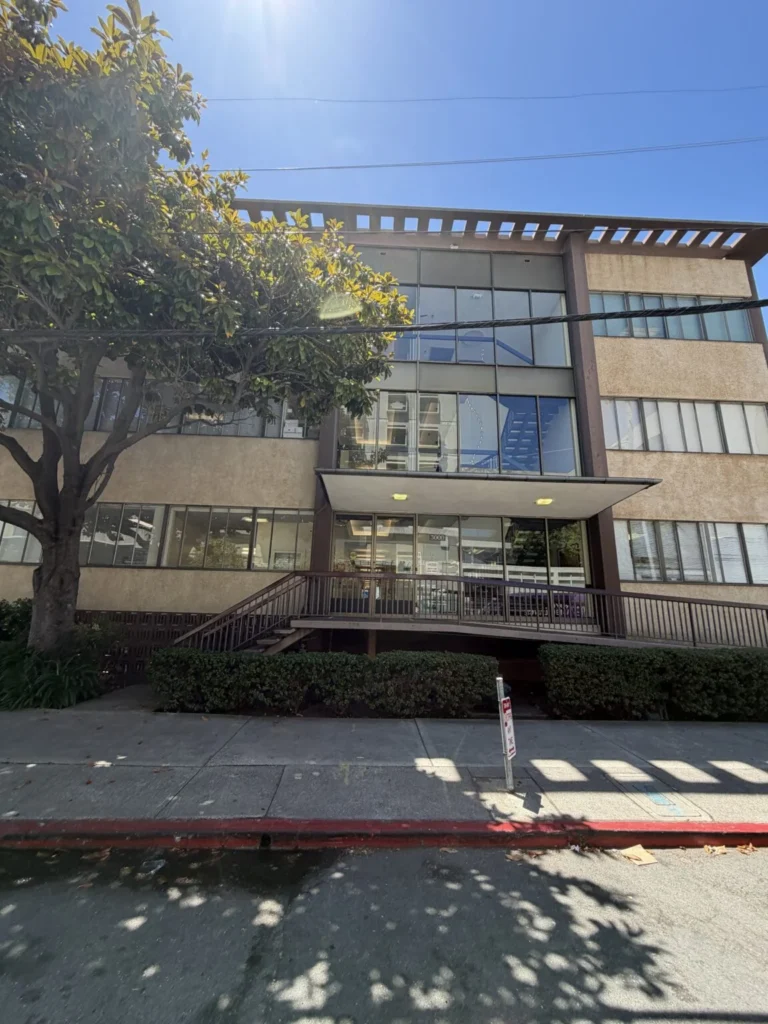
Visit one of our convenient Bay Area Foot Care locations for Achilles tendonitis treatment.


















Don’t let heel pain keep you on the sidelines, let’s get you back on your feet.
Book an appointment today and we’ll help you find lasting relief.