
Plantar Fasciitis and Heel Pain Care
Relief from morning heel pain, arch aches, and chronic plantar fasciitis with treatments tailored to your feet.

What You Need To Know
A patient guide to understanding heel pain, its causes, and how we treat it.
Understanding Heel Pain and Plantar Fasciitis
Heel pain usually results from abnormalities in your gait while walking. If these abnormalities place too much stress on the bone and soft tissues of your heel, you may develop pain. Each foot endures 60 tons of stress with every mile you walk, so it’s no surprise that heel pain is common.
One of the most common causes of pain beneath your heel is plantar fasciitis, a condition that occurs when the band of tissue that runs along the bottom of your foot becomes inflamed. The plantar fascia is made of tight, dense connective tissue and supports the arch of your foot, connecting your heel to the ball. This tissue can stretch or tear from repetitive stress, leading to inflammation. Athletes who run and jump are especially prone to plantar fasciitis.
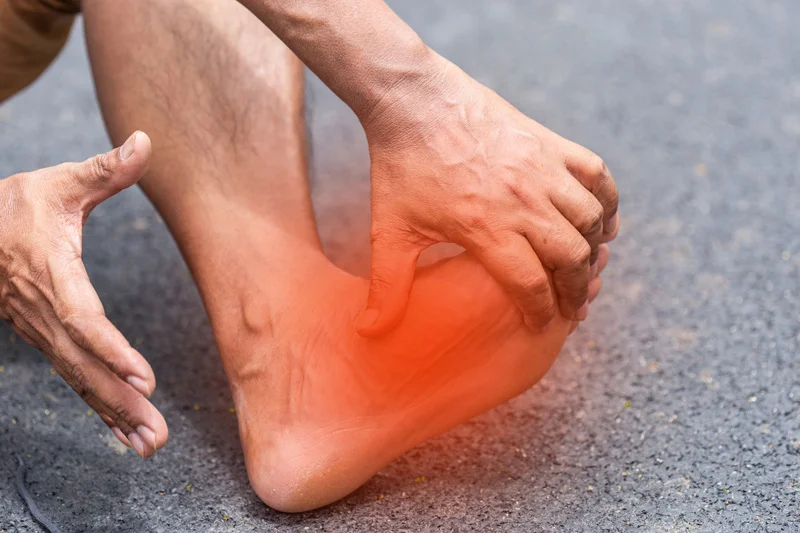
Common symptoms include sharp, sometimes stabbing heel pain when first stepping out of bed, aching in the arches, and increased pain after long periods of standing. If left untreated, plantar fasciitis can become chronic, and the longer you have it, the longer it can take to heal. Risk factors include flat feet or high arches, excess weight, tight calf muscles, and shoes with inadequate support.
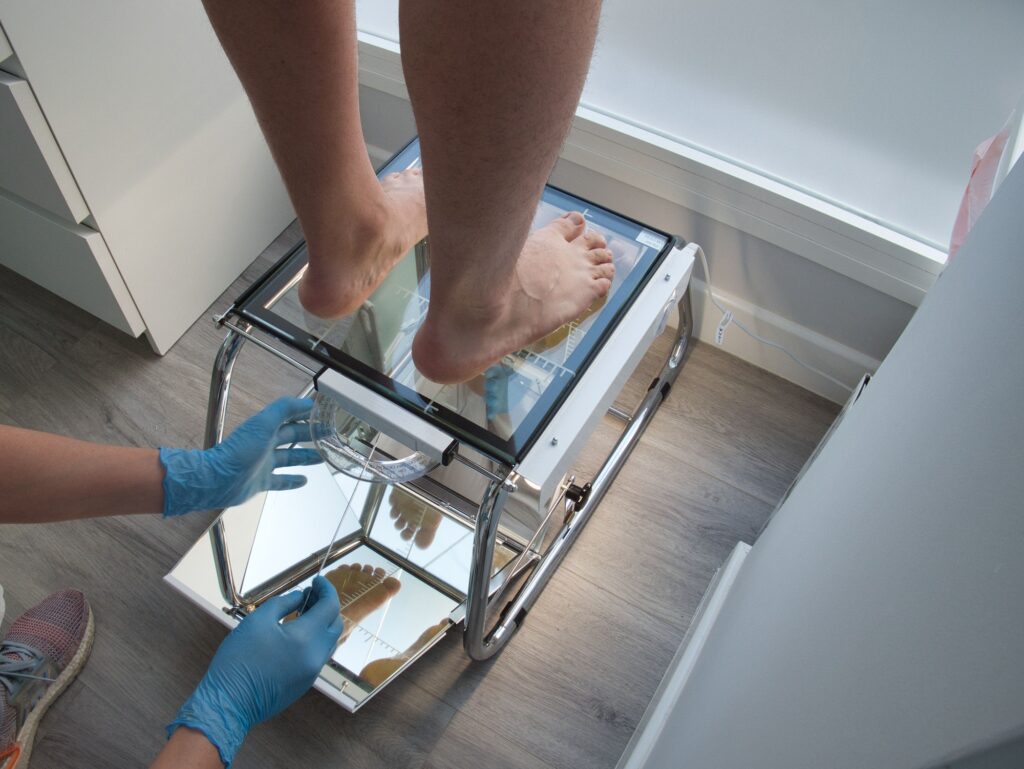
To determine the cause of your heel pain, our providers begin with a review of your symptoms and medical history, followed by a physical examination and, when needed, on-site digital X-ray, musculoskeletal ultrasound, or MRI. If you are suffering from heel pain, contact our office to begin treatment as soon as possible.
Treatment Options and Heel Spurs
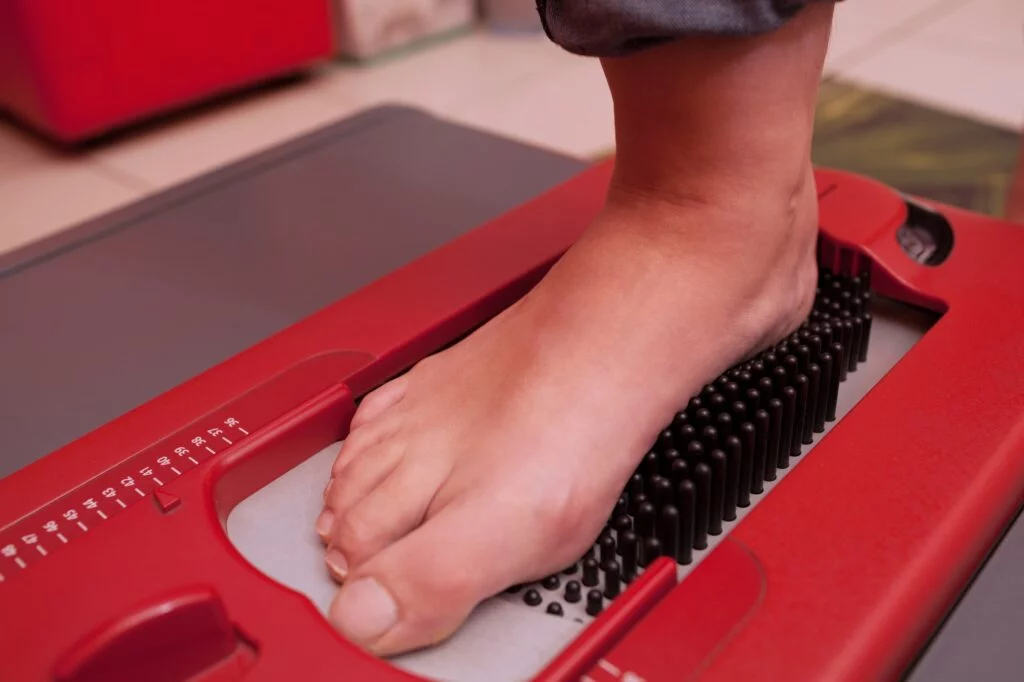
Many types of heel pain improve with non-surgical treatments. Orthotics, either over-the-counter or customized arch supports, provide proper foot, heel, and ankle alignment and are perhaps the easiest form of treatment. Supportive shoes should bend near the toes, have a solid heel counter, and resist twisting along the shoe.
Physical therapy using a combination of electrostimulation, therapeutic ultrasound, hydrotherapy, stretching, massage, and foot taping can reduce pain and inflammation while promoting healing. We may also tape the foot to protect the injured plantar fascia, and many patients learn to tape themselves using KT Tape. Night splints worn during sleep passively stretch the calf, Achilles tendon, and arch, reducing tension on the heel during those first steps in the morning.
When more support is needed, we may use corticosteroid injections to reduce pain and inflammation, often combined with other therapies. Compression bandages also help some patients. For severe cases that continue despite conservative care, our providers offer extracorporeal shockwave therapy, the Tenex procedure, and surgery.
Heel spurs are calcium deposits that may develop on the heel bone of people with plantar fasciitis and appear on X-ray as bony protrusions. They often cause sharp morning pain, a dull ache through the day, swelling, or burning. The outlook for those with heel spurs and plantar fasciitis is generally quite good, and the earlier we begin care, the faster your recovery is likely to be.
Bay Area Foot Care Locations
Find a convenient Bay Area Foot Care office for expert heel pain evaluation and treatment.






















Don’t let heel pain slow you down, let’s get you walking comfortably again
We’re here to help you find lasting relief. Call or book a visit online today.