
Plantar Wart Treatment and Removal
Painful bumps on the soles of your feet? We offer effective treatment options to clear plantar warts and ease discomfort.
What You Need to Know
Understanding plantar warts, what causes them, and how we treat them.
Understanding Plantar Warts
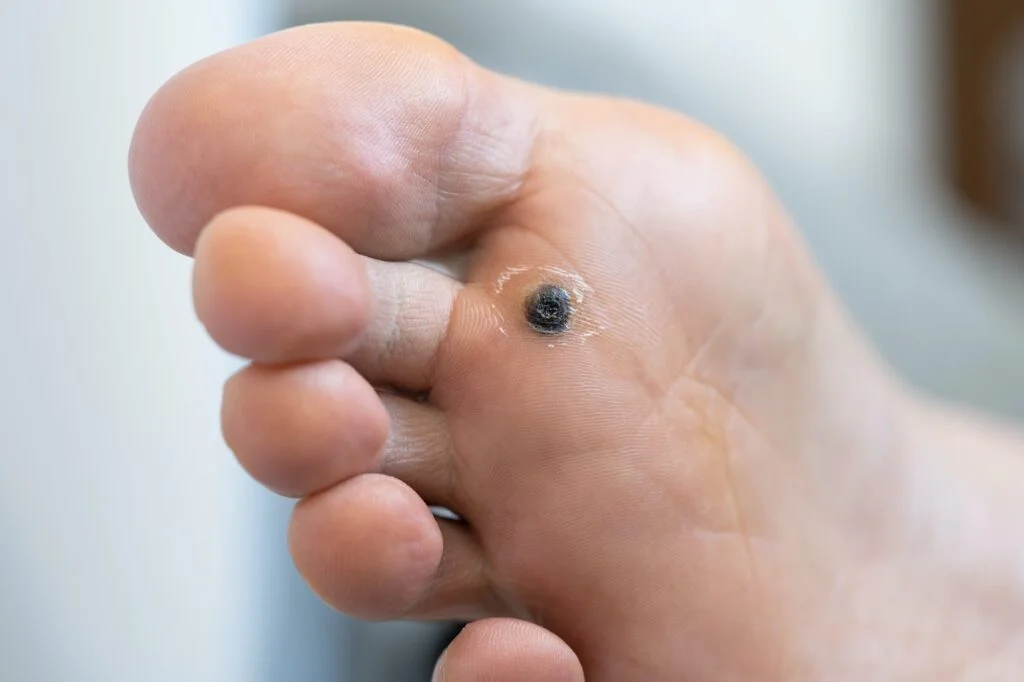
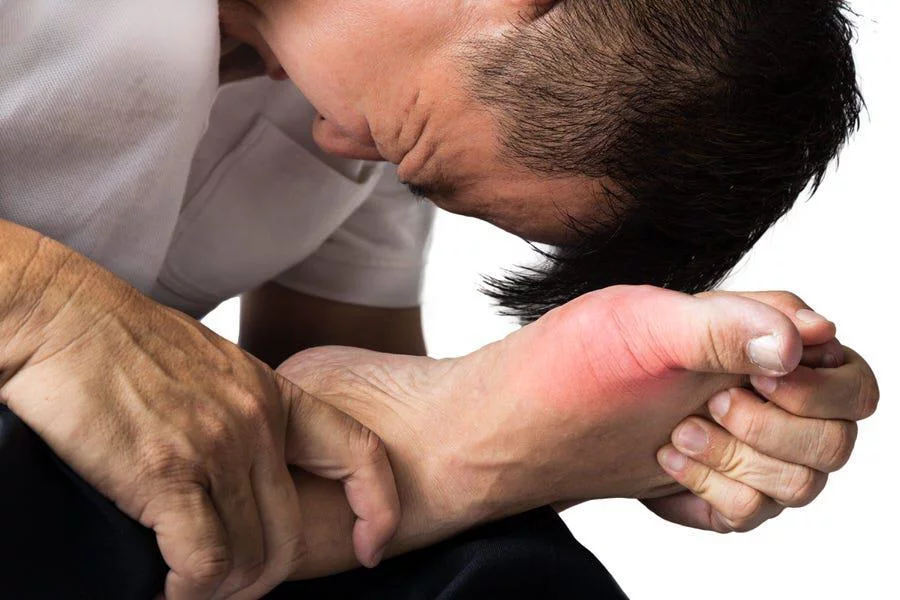
Plantar warts are caused by the human papilloma virus (HPV) affecting the outer layer of skin on the soles of your feet. A wart is a small growth that develops when the skin is infected by a virus. Warts can develop anywhere on the foot, but they typically appear on the bottom (plantar side). “Plantar” means “of the sole” in Latin. Unlike other warts, plantar warts are often painful, as the pressure from walking and standing forces them to grow into your skin. Underneath the surface, the wart can have finger-like roots that reach down and grow, making them difficult to treat from the surface.
There are two types of plantar warts. A solitary wart is a single wart that often increases in size and may multiply, forming additional satellite warts. Mosaic warts are a cluster of several small warts growing closely together, and they are more difficult to treat.
Symptoms include thickened skin that resembles a callus, pain when walking or standing, and tiny black dots on the surface of the wart. Those dots are actually dried blood contained in the capillaries (tiny blood vessels). Many patients describe the feeling of “painful pebbles” in their shoes.
It’s important to visit a podiatrist if you suspect you have a plantar wart, especially if the lesion is painful, bleeding, changing color, or returning after treatment. The longer you wait, the more likely the wart is to persist, so we encourage you to schedule an evaluation early.
Treatment Options and Prevention
Although plantar warts may eventually clear up on their own, most patients want faster relief. The goal of treatment is to completely remove the wart. Over-the-counter creams, ointments, and oral medications may help, but if they don’t work, or if you have conditions like diabetes or an autoimmune disease, you should see a podiatrist. A podiatrist can remove stubborn or infected warts using options such as electrocautery (an electric needle used to remove the wart surgically), cryotherapy (liquid nitrogen applied to the wart so the deadened skin sloughs away), and salicylic acid, a strong topical medication.
Swift is an FDA-cleared technology that has proven highly effective in removing plantar warts. It delivers low dose microwave energy through a specialized probe that targets the underlying HPV virus by stimulating a natural immune response. We like to say that we’re addressing the root cause, not the symptom.
The Swift protocol involves 3 to 4 treatments, spaced 4 weeks apart. Each session lasts only 5 to 10 minutes and is what we call a “sock off, sock on” treatment: limited debridement, no breaking of the skin, and no bandages. Patients can resume daily activities immediately afterward.
To help prevent plantar warts, wear footwear in communal areas, avoid sharing shoes, keep feet clean and dry, and avoid touching warts. Warts can be stubborn and may return, so follow your doctor’s instructions and keep up with follow-up visits for the best chance at lasting clearance.
Where to Find Plantar Wart Care
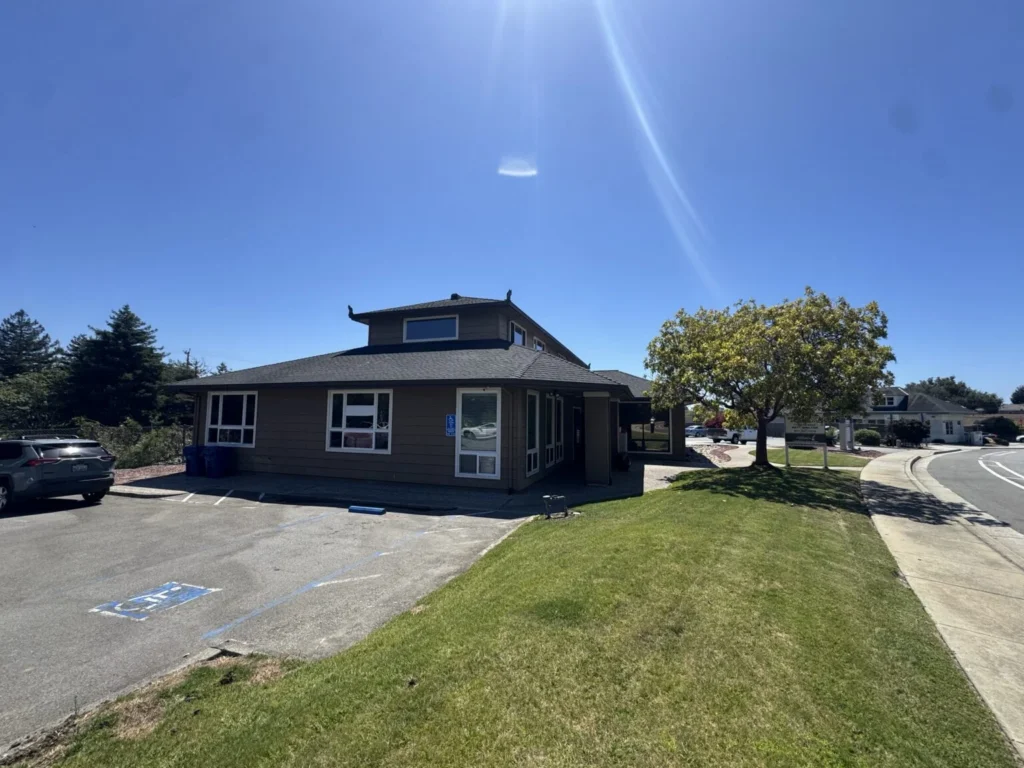
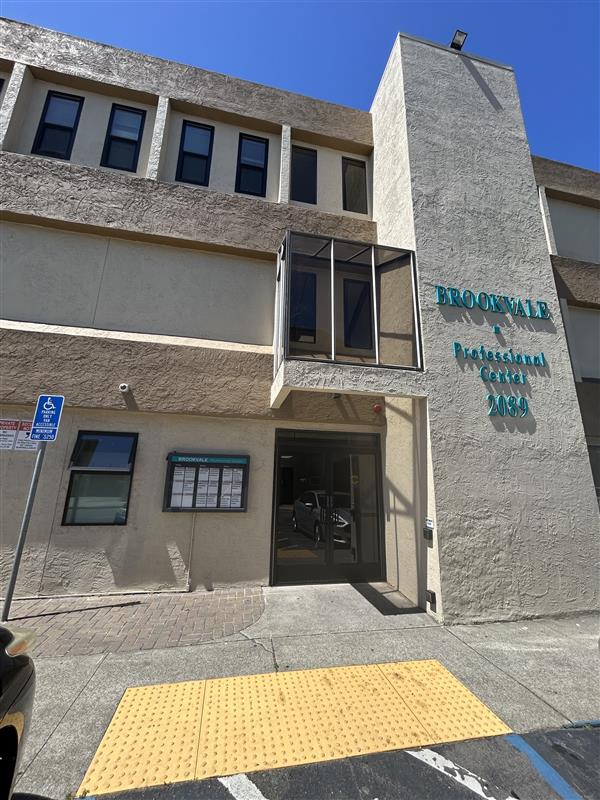
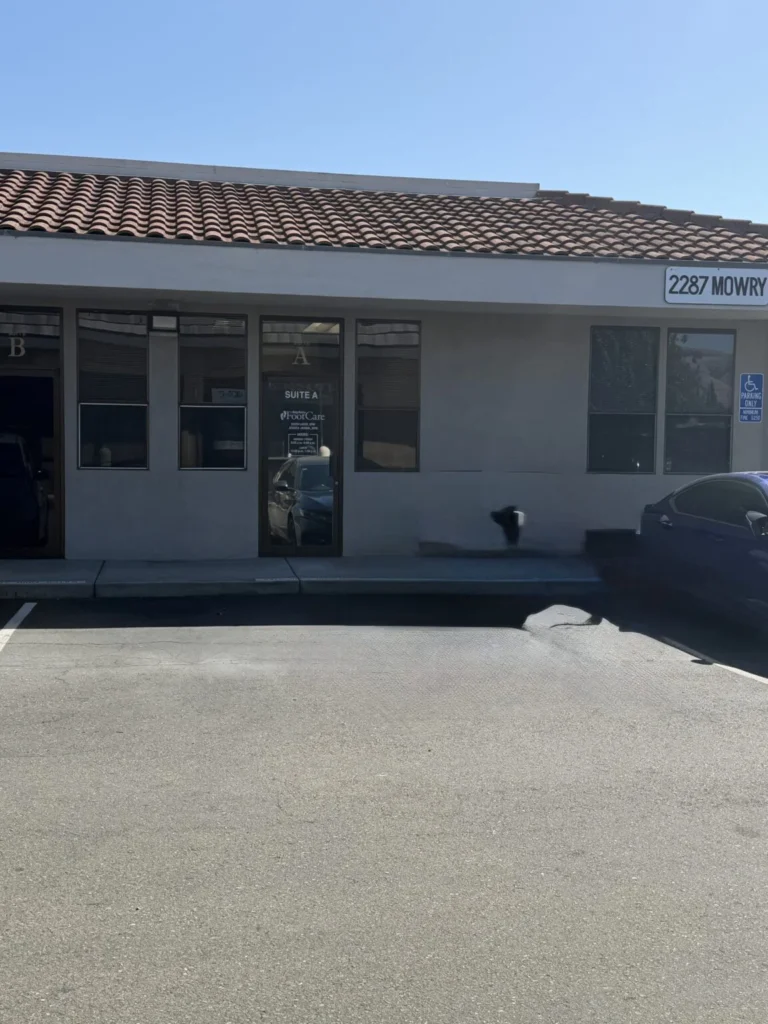
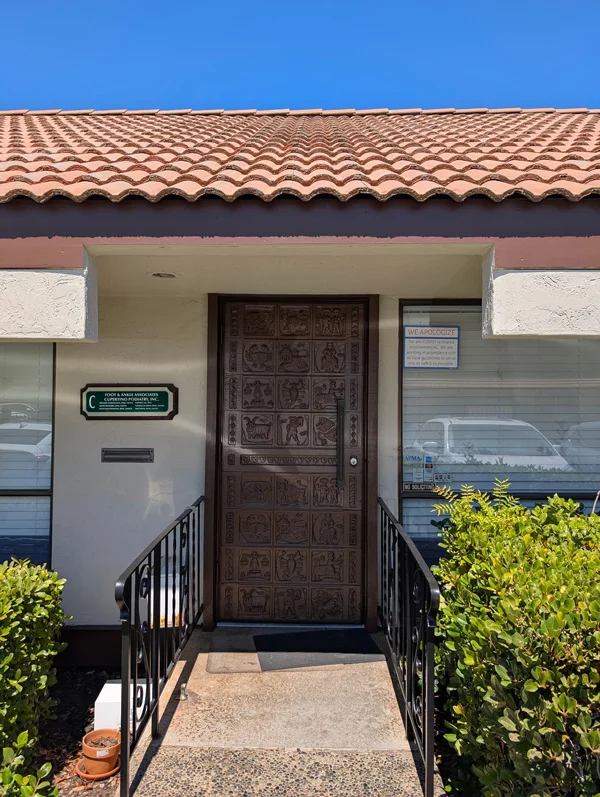
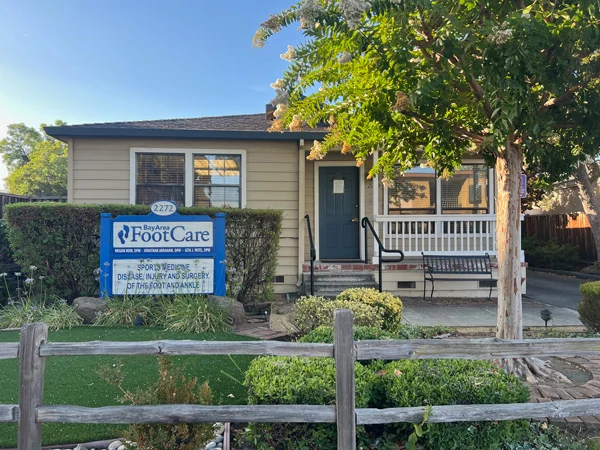
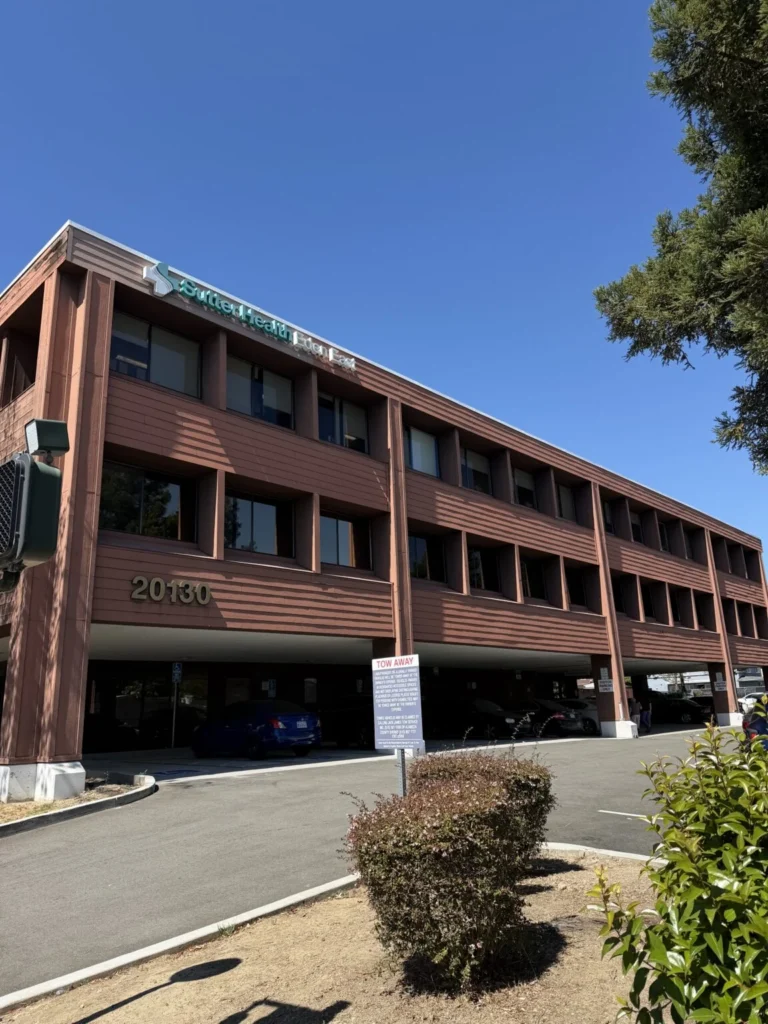
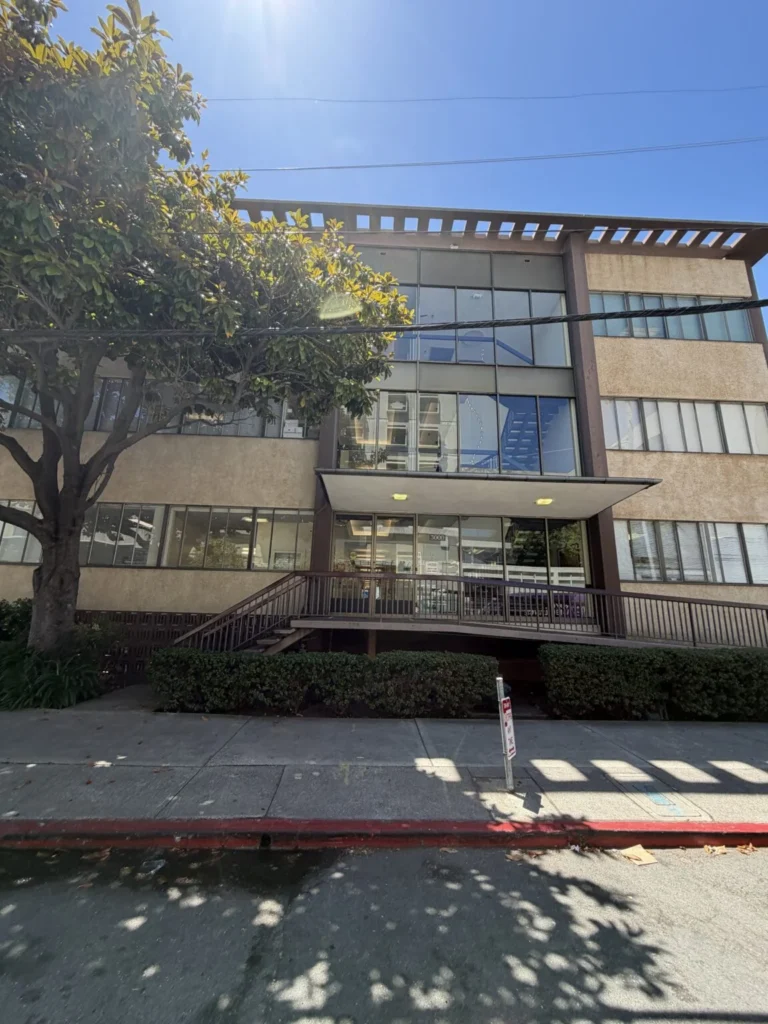
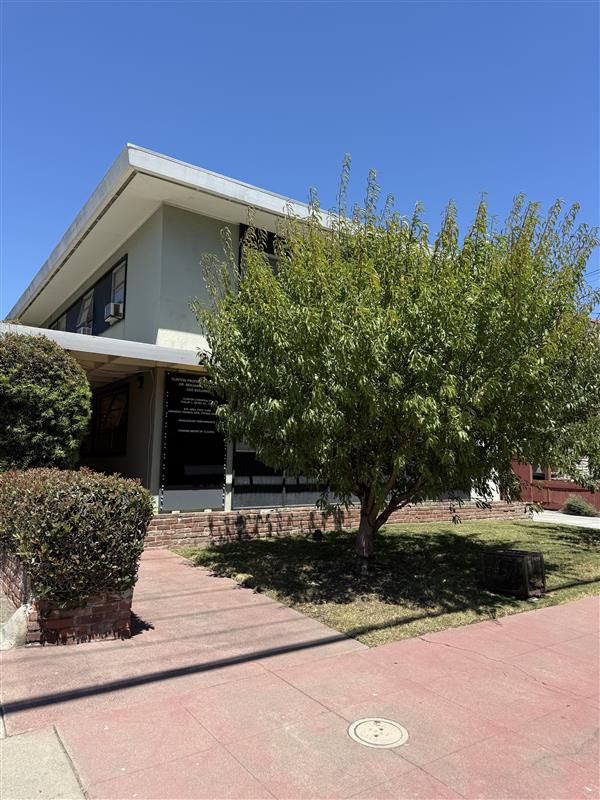
Visit one of our convenient Bay Area Foot Care locations for plantar wart treatment.














Ready to get rid of painful plantar warts for good?
We’ll help you find relief and get back on your feet comfortably.