
Soft Tissue Injuries and Ganglion Cysts
Expert evaluation and treatment for ganglion cysts and other soft tissue concerns affecting the foot and ankle.

Understanding Ganglion Cysts
Learn what ganglion cysts are, why they form, and how they are diagnosed.
Ganglion Cysts of the Foot
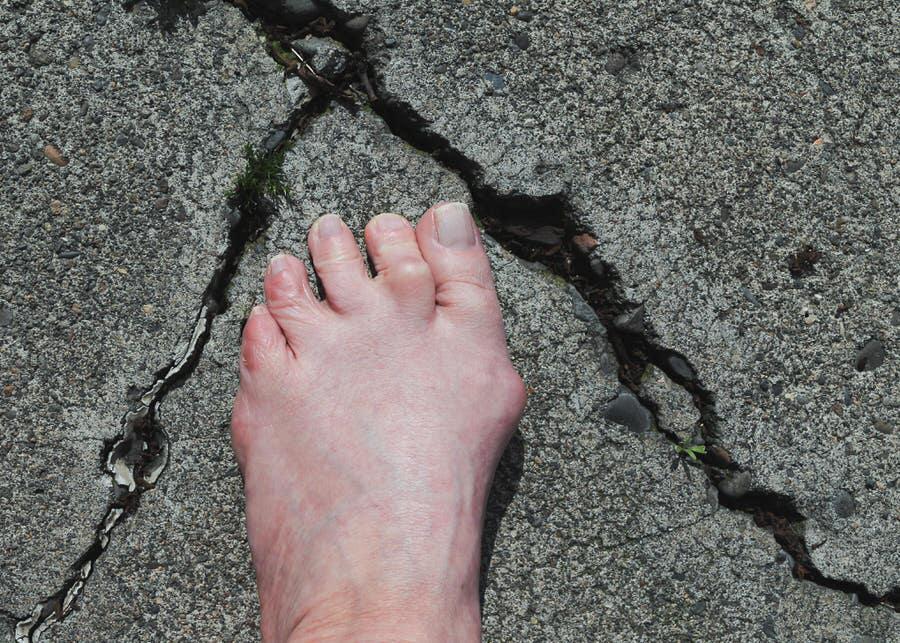
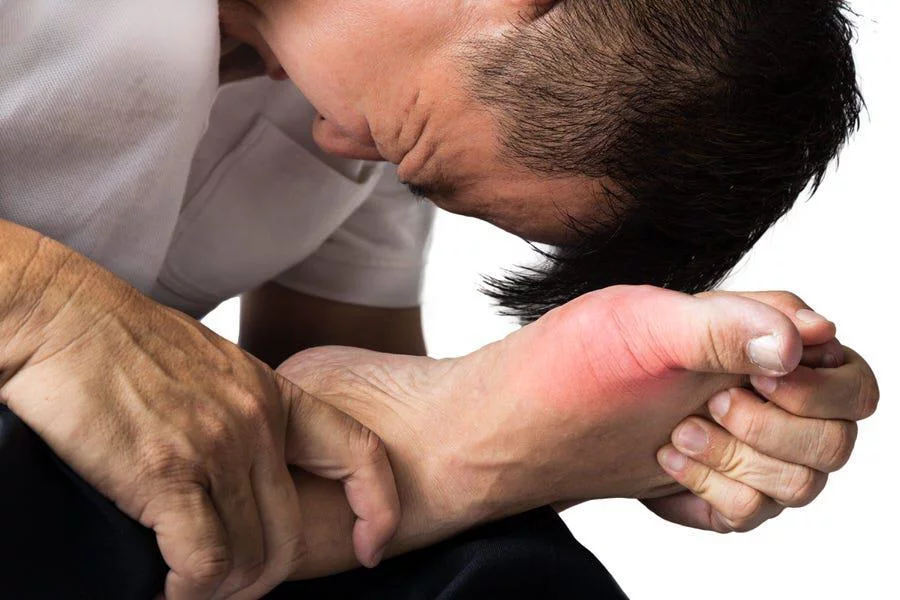
A ganglion cyst is a sac filled with a jellylike fluid that originates from a tendon sheath or joint capsule. The word “ganglion” means knot and is used to describe a knot-like mass or lump that forms below the surface of the skin.
Ganglion cysts are among the most common benign soft-tissue masses. Although they most often occur on the wrist, they also frequently develop on the foot, usually on the top. Ganglion cysts vary in size, may get smaller and larger, and may even disappear completely. They can be unpredictable and difficult to get rid of.
No one knows exactly what causes a ganglion cyst to develop. It grows out of a joint or the lining of a tendon, looking like a tiny water balloon on a stalk, and seems to occur when the tissue that surrounds a joint or a tendon bulges out of place. Inside the cyst is a thick lubricating fluid similar to that found in joints or around tendons.
To diagnose a ganglion cyst, the doctor will perform a thorough examination of the foot. The lump will be visually apparent, and when pressed in a certain way, it should move freely underneath the skin. Sometimes the surgeon will shine a light through the cyst or remove a small amount of fluid for evaluation. An X-ray may be taken, and in some cases, additional imaging studies may be ordered to confirm the diagnosis and guide a treatment plan that fits your needs.
Treatment Options and Risk Factors
Although the exact cause of ganglion cysts is unknown, they may arise from trauma, whether a single event or repetitive microtrauma. Certain factors may increase your risk of developing a ganglion cyst.
Ganglion cysts can develop in anyone, but they most commonly occur in women between the ages of 20 and 40. People who have wear-and-tear arthritis in the finger joints closest to their fingernails are at higher risk of developing ganglion cysts near those joints. Joints or tendons that have been injured in the past are also more likely to develop ganglion cysts.
There are various conservative options for treating a ganglion cyst on the foot. If the cyst causes no pain and does not interfere with walking, the surgeon may decide it is best to carefully watch the cyst over a period of time. Wearing shoes that do not rub the cyst or cause irritation may be advised, and placing a pad inside the shoe can help reduce pressure against the cyst.
Aspiration and injection is another option. This technique involves draining the fluid and then injecting a steroid medication into the mass. More than one session may be needed. Although this approach may be successful in some patients, in many others, the cyst returns.
When other treatment options fail or are not appropriate, the cyst may need to be surgically removed. While the recurrence rate associated with surgery is much lower than that experienced with aspiration and injection therapy, there are nevertheless cases in which the ganglion cyst returns. Your podiatrist will help you decide which approach best fits your situation.
Bay Area Foot Care Locations
Find a Bay Area Foot Care office near you for soft tissue injury evaluation and care.























Have a lump or soft tissue concern? Let’s take a look and get you answers.
Schedule a visit with Bay Area Foot Care and we’ll help you feel your best.