
Foot and Ankle Ulcer Wound Care
Specialized wound care and limb preservation to help diabetic foot and ankle ulcers heal and prevent serious complications.
Understanding Foot and Ankle Ulcers
What every patient should know about diabetic ulcers and unhealing wounds.
Foot and Ankle Ulcer Care Explained
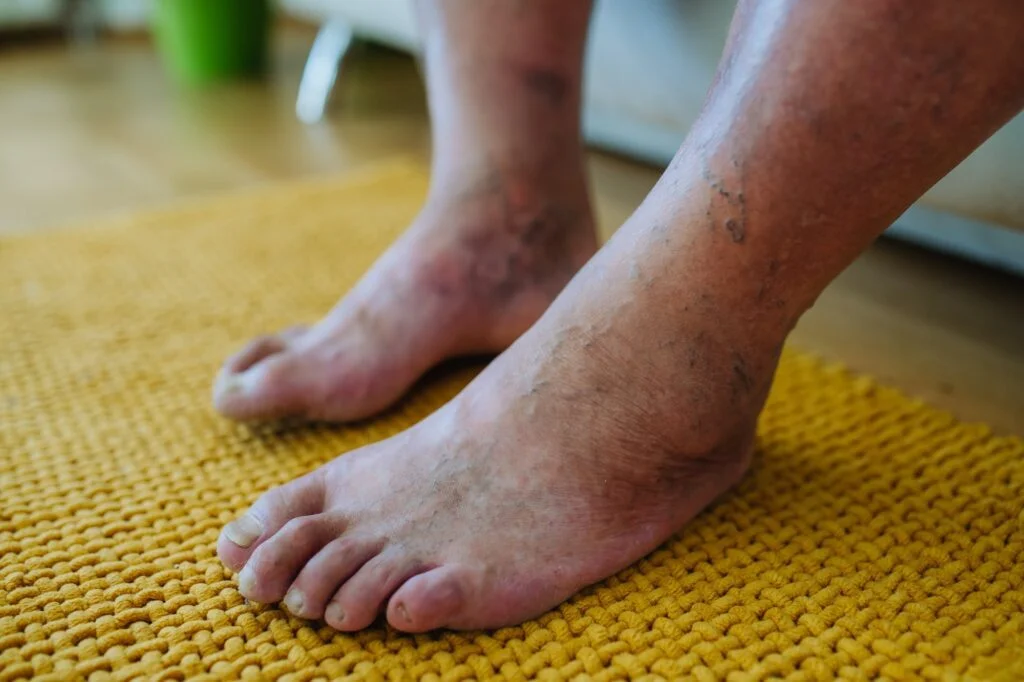
Diabetes can often lead to numbness and loss of sensation in the extremities (diabetic peripheral neuropathy), which can cause injuries and other health complications that affect the feet to go unnoticed. When an unnoticed affliction is combined with poor blood circulation and possible infection, it can lead to diabetic foot ulcers and other wounds that cannot heal on their own.
An ulcer is a sore in the skin that may go all the way to the bone. Because of poor circulation and neuropathy in the feet, cuts or blisters can easily turn into ulcers that become infected and will not heal. Foot ulcers usually develop on big toes and the balls of the feet, though they can develop anywhere on the foot. This is a common, and serious, complication of diabetes and can lead to a loss of the foot, leg, or one’s life.
One of the first signs of a foot ulcer is drainage from your foot, which might leave stains on your socks or shoes. Also keep an eye (and nose) out for unusual swelling, irritation, redness, and odors. The clearest sign of a serious foot ulcer is black tissue surrounding the wound, which forms due to the lack of healthy blood flow to the area. In such cases, it may be accompanied by smelly discharge, pain, or numbness.
Diabetic ulcers are commonly caused by poor circulation, nerve damage that removes the warning of pain, high blood sugar that slows healing, and irritated or wounded feet that become infected. If you notice any of these signs, contact Bay Area Foot Care promptly so we can evaluate the wound and begin treatment before it worsens.
Treatment and Daily Prevention
Treatment for diabetic foot ulcers begins with keeping off of your feet, since pressure from walking can aggravate the wound. Care may require diabetic shoes, casts, foot braces, compression wraps, or shoe inserts, and may also include antibiotics, enzyme treatments, or other medication. Many foot ulcers can be healed without surgery, but if no other treatment proves successful, a minor or major surgery may be required to avoid amputation. Managing diabetes by controlling blood glucose, especially hemoglobin A1C, remains the primary focus to avoid complications.
You play a vital role in reducing complications. Inspect your feet daily for cuts, scrapes, redness, drainage, swelling, bad odor, rash, discoloration, or nail changes. If your eyesight is poor, have someone else do it for you. If your foot is swollen, red, or hot, or has changed in size, shape, or direction, see your doctor immediately. Do not ignore leg pain, since pain at night or with little activity could mean a blocked artery.
Never trim calluses or corns yourself, and do not use over-the-counter medicated pads. Keep floors free of sharp objects, and do not go barefoot indoors or outdoors. Shake out your shoes before putting them on and make sure your socks are not bunched up.
Your podiatrist can help wounds heal and prevent infection or amputation. Regular foot checkups and seeking immediate help when you notice something can keep small problems from worsening, so contact Bay Area Foot Care to schedule an evaluation and protect your long-term mobility.
Wound Care and Limb Preservation Near You
Find a Bay Area Foot Care location offering ulcer treatment and limb preservation.
























Don’t wait on a wound that isn’t healing, let’s take a look today.
We’re here to help you heal, protect your feet, and prevent complications.