
Bunion Surgery in the Bay Area
Relief from painful bunions with advanced surgical options designed to correct the deformity and get you walking again.
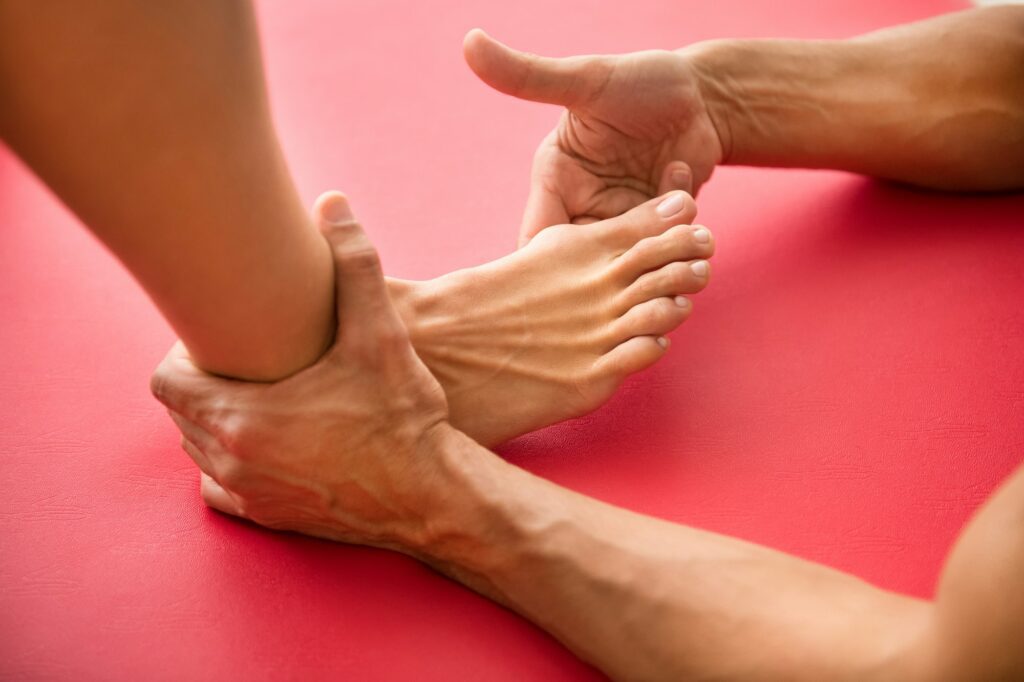
What You Need To Know
Understanding bunions, why they form, and when surgery becomes the right choice.
Understanding Bunions and Surgical Care
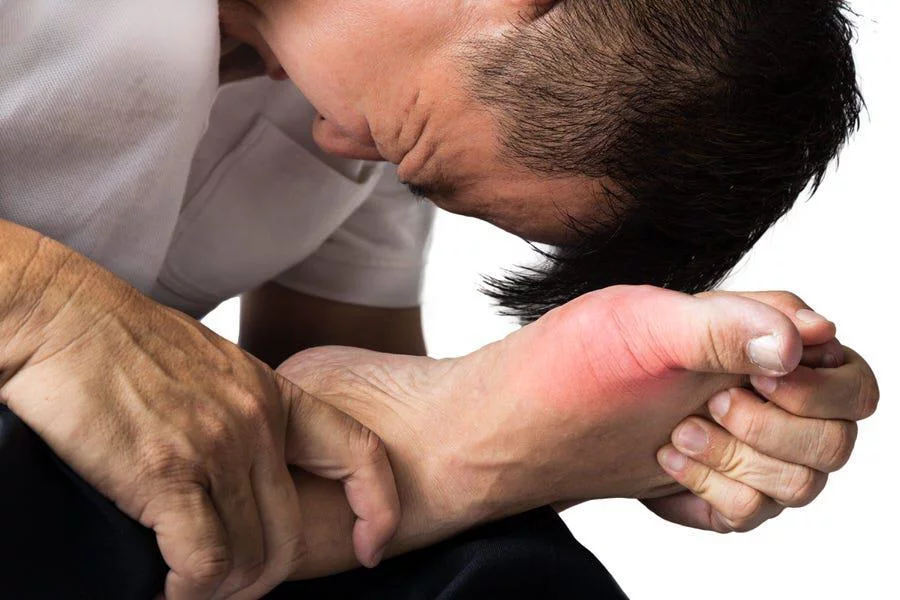
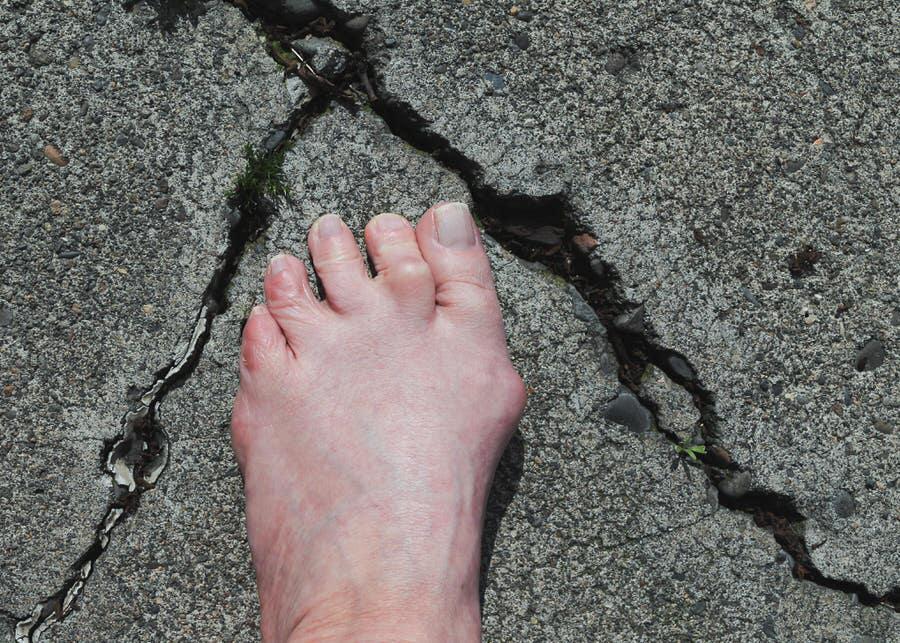
A bunion (also known as hallux valgus) is often described as a bump on the side of the big toe, but it is not as simple as that. The visible bump reflects changes in the bony framework of the foot. The big toe leans toward the second toe rather than pointing straight ahead, and the first metatarsal deviates in the opposite direction. This buckling effect throws the bones out of alignment, producing the characteristic bump.
Bunions are progressive. They begin with a leaning of the big toe, gradually changing the angle of the bones over the years. The foot will widen and make it difficult to wear closed shoes. Symptoms usually appear at later stages, although some people never have any symptoms.
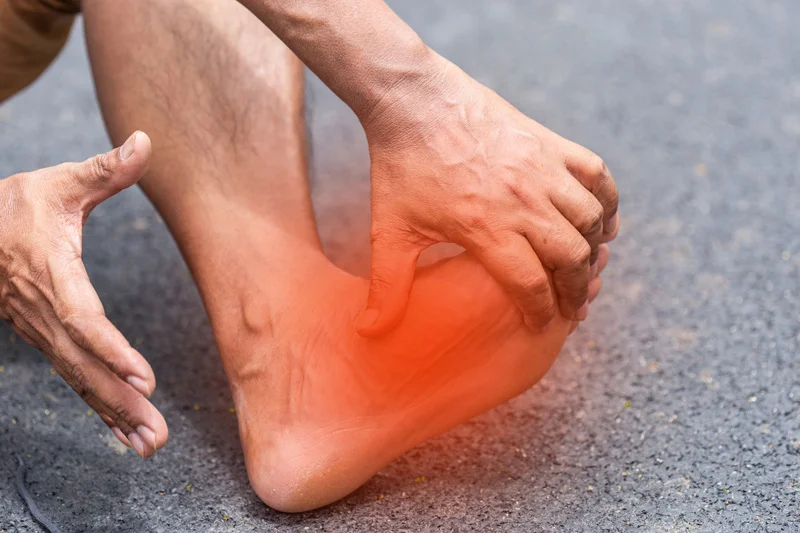
Symptoms may include pain or soreness, inflammation and redness, a burning sensation, and possible numbness. These occur most often when wearing shoes that crowd the toes, such as a tight toe box or high heels. Long periods on your feet can also aggravate symptoms.
The cause of a bunion is biomechanical. Instability of a joint along the arch often results in the slow drifting of one of the bones in the big toe joint. Foot structure is determined by genetics, so many people inherited a predisposition to develop one. Bunions are not caused by shoes, though certain shoes can irritate them.
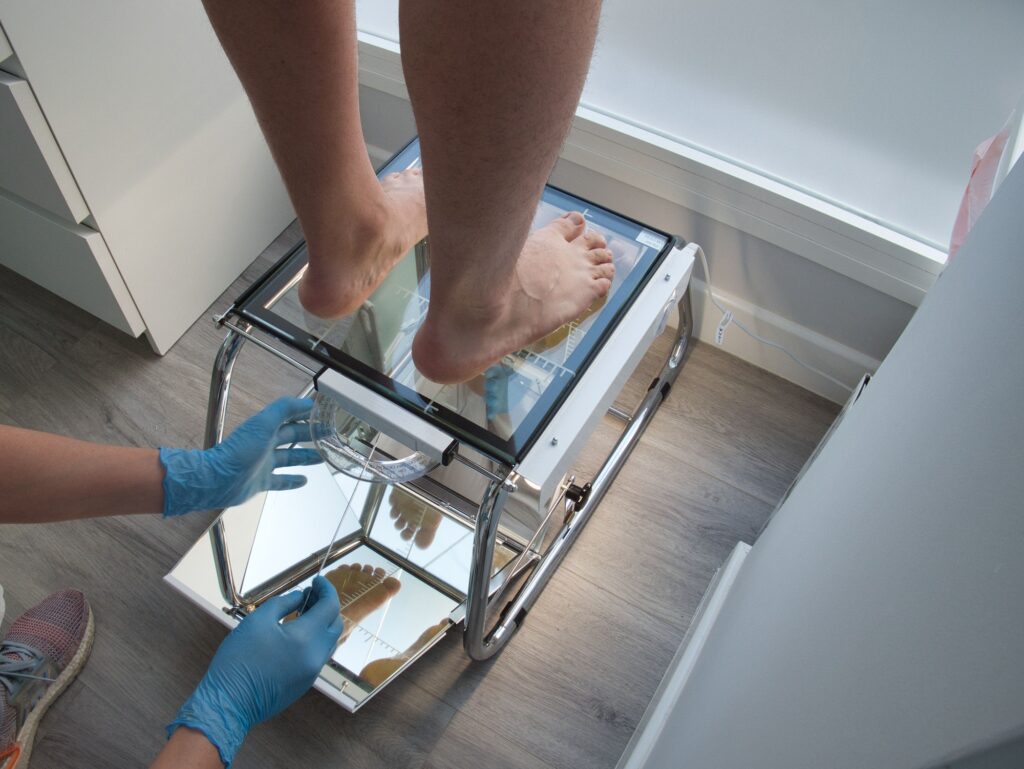
Bunions are readily apparent, but your doctor may take X-rays to determine the degree of deformity. If a bunion is painful, limits your activities, or interferes with the shoes you want to wear, schedule a consultation to discuss your options.
Surgical Options and Recovery
If nonsurgical treatments fail to relieve bunion pain and the discomfort interferes with daily activities, it is time to discuss surgical options. A variety of procedures is available, each designed to remove the bump of bone, correct the changes in the bony structure of the foot, and address soft tissue changes. The goal of surgery is the reduction of pain and deformity.
Lapiplasty 3D Bunion Correction repositions the bone to restore more normal anatomical function and motion in the great toe joint. Instead of simply shifting the head of the bone, Lapiplasty uses specially designed instrumentation to rotate the entire deviated bone back into its normal position. Titanium plating then secures the unstable foundation, which is often the root of the bunion problem.
The miniBunion procedure is a minimally invasive technique requiring an incision two to four times smaller than a standard approach. The incision is placed on the inner side of the foot, resulting in a scar that is difficult to see. Many patients can walk immediately after surgery in a special post-operative shoe.
For patients who prefer to avoid permanent metal hardware, OSSIOfiber offers an all-natural, metal-free implant built with natural mineral fibers and polymer. It provides strength during healing and is gradually replaced by your own bone over 18 to 24 months.
In selecting the procedure for your case, your doctor will consider the extent of your deformity, X-ray findings, your age, activity level, and overall health to guide you toward lasting relief.
Bunion Surgery at a Location Near You
Bay Area Foot Care offers bunion surgery at convenient locations throughout the region.





















Don’t let bunion pain keep you from the shoes and activities you love.
We’ll help you find the right treatment so you can get back on your feet.