
Gout Treatment for Lasting Relief
Our podiatrists diagnose and treat gout so you can get back on your feet without the burning pain and swelling.

What You Need to Know About Gout
Learn what causes gout, how to recognize an attack, and when to seek care.
Understanding Gout and How We Treat It
Gout is a common type of arthritis that most often affects the joint at the base of your big toe. It is a disorder that results from the buildup of uric acid in the tissues or a joint. While it is more common among those over 30, people of any age can suffer from this condition.
Gout is caused by an excess of uric acid in the blood. Normally, a slightly elevated level of uric acid is not harmful, but when the levels become too high, the acid may form hard crystals in the joint. This can cause severe burning pain, swelling, and stiffness. Gout commonly affects the big toe because uric acid crystallizes at cooler temperatures, and your toe is the farthest joint from your heart. While both men and women can be affected by gout, it is more common in men aged 40 to 60.
Attacks of gout come on suddenly and can be miserable. Common symptoms include intense joint pain that occurs abruptly, often in the middle of the night or upon waking, lingering joint discomfort that lasts a few days to weeks after the most severe pain fades, inflammation that includes redness, swelling, warmth, and tenderness, and restricted range of motion in the affected joint.
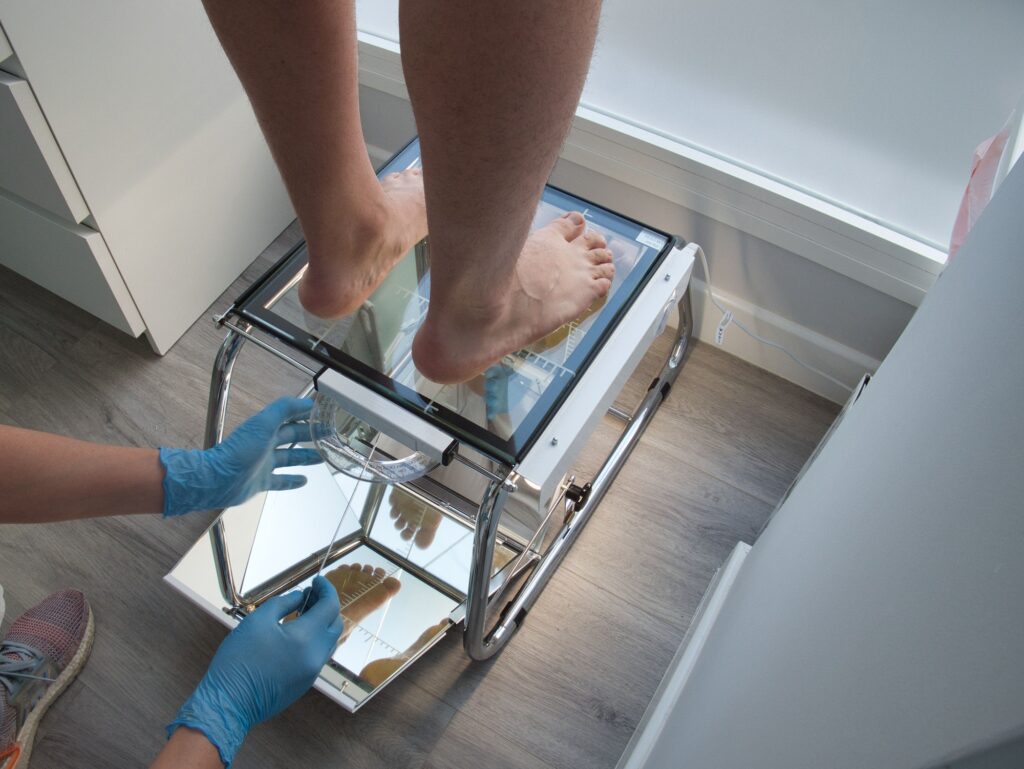
Without treatment, gout can lead to increased pain and joint damage. You should schedule an appointment with us right away if you experience sudden, intense joint pain. Our providers review your symptoms and medical history and examine the affected joint. You may need tests, such as blood work or an on-site digital X-ray, to confirm a diagnosis of gout and rule out other causes of inflammation.
Causes, Triggers, and Treatment of Gout
Gout attacks are caused by deposits of crystallized uric acid in the joint. Uric acid is the result of the breakdown of purines, chemicals found naturally in our bodies and in certain foods and beverages, such as red meat and beer. Some people develop gout because their kidneys have difficulty eliminating normal amounts of uric acid, while others produce too much uric acid.
Certain factors may increase your risk for gout, including a family history of the condition, high blood pressure, diabetes, metabolic syndrome, heart disease, and kidney disease. Being overweight, drinking too much alcohol, consuming sugary drinks sweetened with fructose, and eating large amounts of red meat, shellfish, and organ meats can also raise your risk. Prolonged use of diuretics, aspirin, and niacin can affect the body’s ability to remove uric acid.
Initial treatment of a gout attack typically includes prescription medications or injections to treat the pain, swelling, and inflammation. Dietary changes are important, since foods high in purines are converted in the body to uric acid. Drinking plenty of water while avoiding alcohol helps prevent dehydration, and elevating the foot helps reduce swelling.
With treatment, symptoms usually resolve in three to ten days. If symptoms continue or repeated attacks occur, maintenance treatment with daily medication may be needed. If you think you are suffering from a gout attack, do not hesitate to contact us so we can develop a treatment plan and get you back in action.
Bay Area Foot Care Locations
Find a convenient Bay Area Foot Care office near you for gout diagnosis and care.





























Don’t let gout pain keep you off your feet any longer.
Book an appointment today and we’ll help you find lasting relief.