
Peripheral Arterial Disease Care
Restore healthy circulation to your legs and feet with accurate diagnosis and treatment for peripheral arterial disease.

What You Need To Know About PAD
Learn how peripheral arterial disease affects your legs and feet, and how we diagnose and treat it.
Understanding Peripheral Arterial Disease
Peripheral arterial disease (PAD) is a condition that causes the walls of the arteries in your legs to narrow so less blood reaches your lower legs and feet. This type of poor circulation is due to atherosclerosis, the buildup of cholesterol deposits along the walls of your blood vessels. PAD affects 8 to 12 million Americans and one in every five adults over the age of 70.
PAD is part of a broader category called peripheral vascular disease (PVD), which includes any disease that impacts the blood vessels away from the heart. When wounds on the feet and legs have a hard time healing due to poor circulation, you are at a bigger risk of infection, which in the worst-case scenario, could lead to amputation.
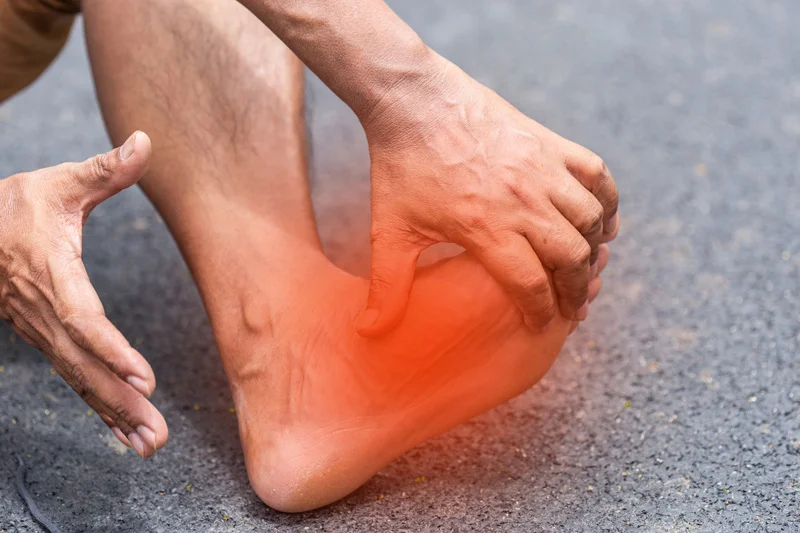
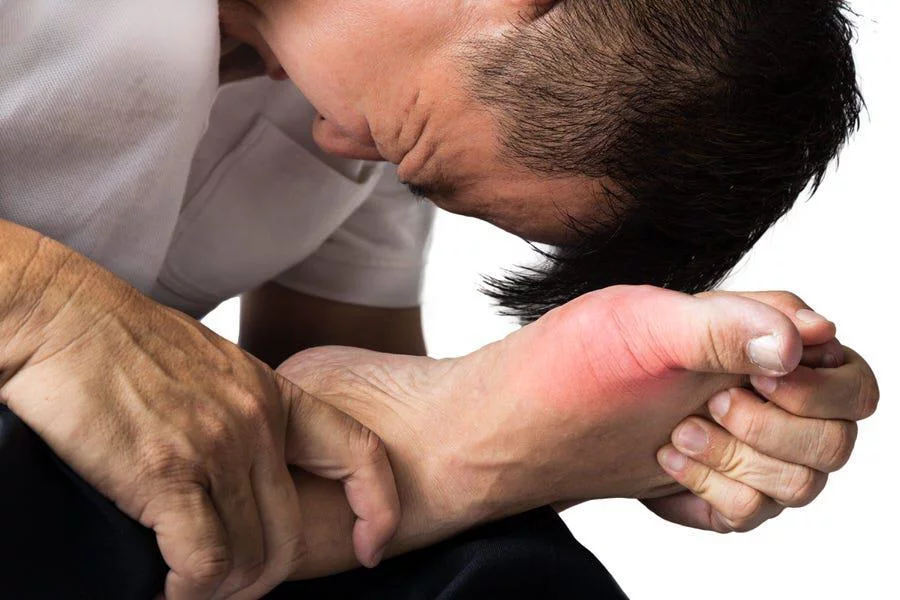
Symptoms of PAD can vary from mild discomfort to serious complications, including muscles in your feet and legs feeling tired, pain in your legs, thighs, and buttocks, foot or toe pain when you are at rest or sleeping, slow healing skin wounds or ulcers, and cramping sensations in the legs and feet. Because the symptoms can be mild, many people mistake them for general muscle aches or weakness related to aging.
To diagnose PAD, you have a quick and painless test to assess the blood vessels in your legs. This may include a doppler ultrasound, an Ankle-Brachial Index (ABI) that measures and compares blood pressure in your arms and ankles, or angiography imaging with contrast dye. If you experience any of the symptoms above, it is best to be seen by our providers at Bay Area Foot Care for a thorough exam and treatment if needed.
Treatment Options for PAD
Your podiatrist may recommend a specific treatment plan based on how severe your PAD is. In general, there are three main types of treatment available, and all cases can benefit from healthy lifestyle changes such as quitting smoking, increasing your activity level, and maintaining a healthy weight.
Lifestyle changes come first. If you smoke, have a poor diet, or live a sedentary lifestyle, your podiatrist will recommend you change your living habits. This is recommended regardless of how advanced your PAD is, because improved circulation supports healing throughout the lower extremities.
Medication is often the next step. Your doctor might prescribe medication to improve your blood flow or control your blood pressure. Other medications that help lower cholesterol, control blood glucose levels, or prevent blood clots may also be prescribed. It is important to have your primary physician, cardiologist, or vascular specialist involved with managing your prescription medications.
Surgery may be needed in more severe cases. A patient may be referred to a specialist that performs vascular procedures of the lower extremities. With advancements in technology, this process has become significantly less invasive and much safer than ever. Different surgical options are available depending on the location and severity of the blockage in your arteries.
Getting help and direction from a trained podiatrist may prevent more serious complications of PAD. Call Bay Area Foot Care today to schedule your consultation and find out what treatment plan is right for you.
Find PAD Care at a Location Near You
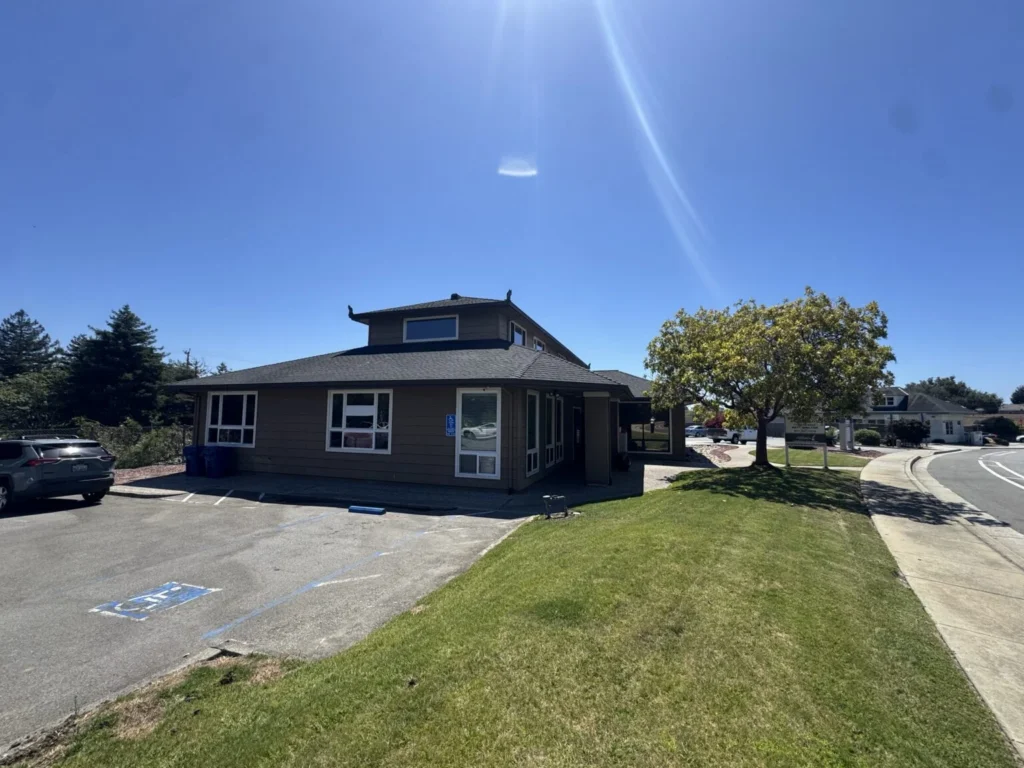
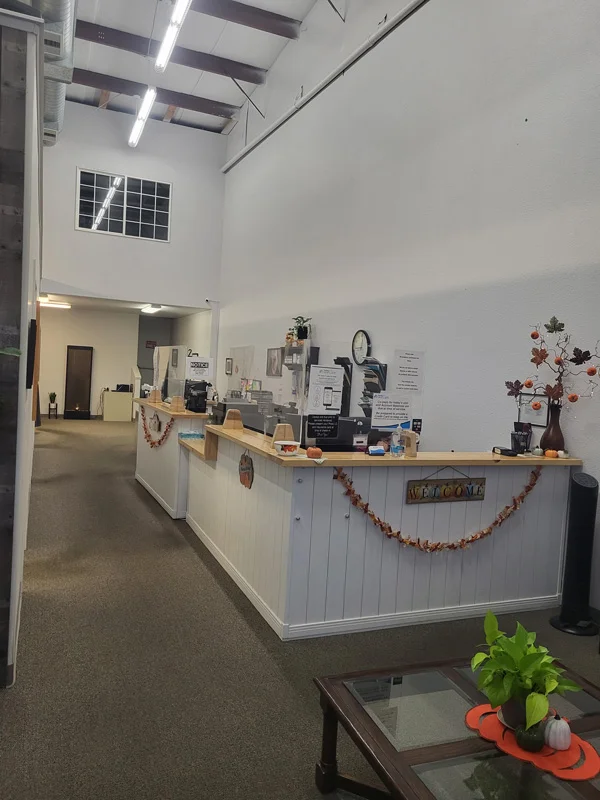
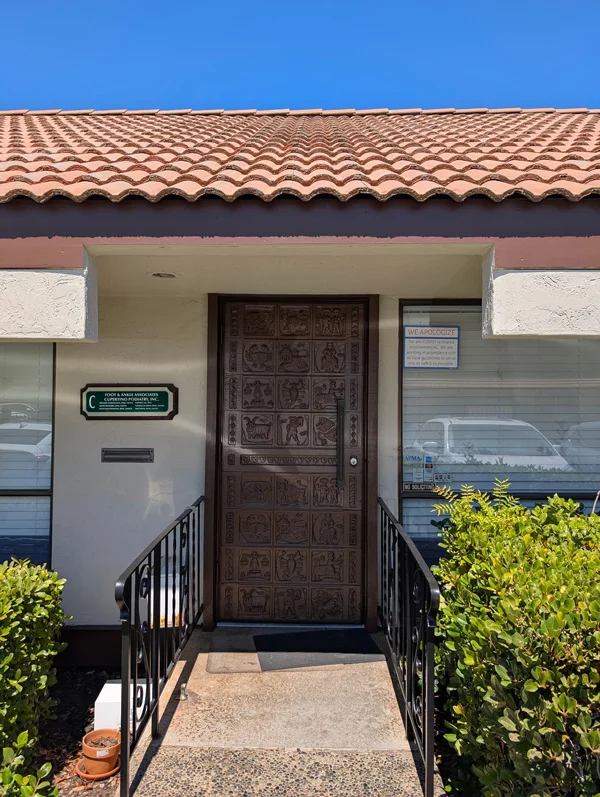
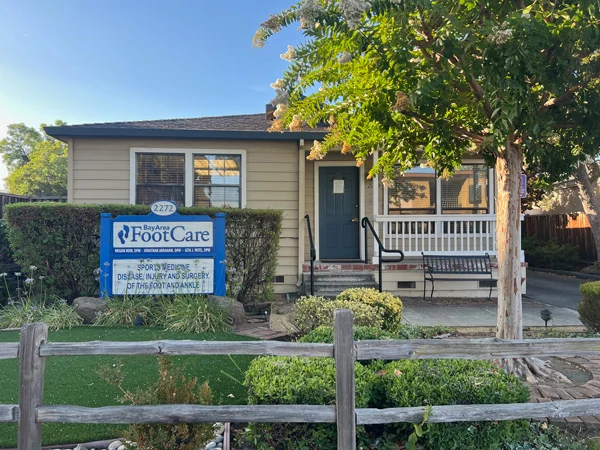
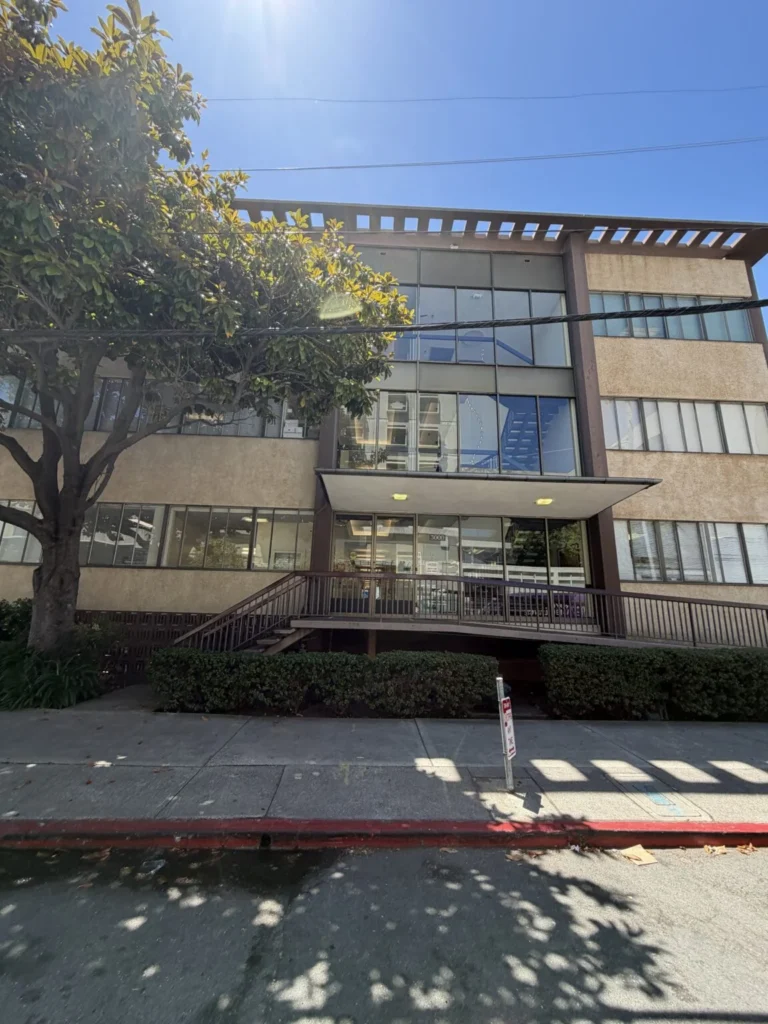
Visit a Bay Area Foot Care location near you for convenient diagnosis and treatment.














Don’t let poor circulation hold you back, let’s get you evaluated today.
We’re here to help you find relief and protect your long-term foot health.